Solar Generator Setup | Emergency Preparedness Guide 2026
This solar generator setup guide explains backup power sizing, appliance priorities, and safer outage planning for homeowners.
What matters most
A successful solar generator setup works best when you stop treating components as separate parts and start viewing them as a single ecosystem. Real preparedness comes from balancing three factors: your appliance priorities, your recharge strategy, and your household trade-offs.
Understand Risk
Identify critical systems.
Choose Backup
Scale for your load.
Avoid Mistakes
Analysis of failed plans.
Solar Generator Setup: A Strategic Approach to Emergency Preparedness
The Strategy: Planning Beyond the Purchase
A successful solar generator setup works best when you stop treating components as separate parts and start viewing them as a single ecosystem. Real preparedness comes from balancing three factors: your appliance priorities, your recharge strategy, and your household trade-offs.
When comparing backup options, your solar generator setup should lead you toward a safer, more realistic configuration—not just a larger unit based on aggressive marketing claims. True reliability comes from matching your system to your actual outage patterns rather than simply buying more capacity than you can effectively manage.
The Blueprint: Sizing and Demand
A practical solar generator setup must account for the “hidden” technical limits of battery power. This includes calculating recharge times based on available sunlight, understanding depth-of-discharge limits, and ensuring your inverter can handle “surge demand” (the high burst of power needed to start a fridge or pump) without failing.
For most households, a solar generator setup isn’t about running the entire home. It’s about a disciplined approach to protecting life-sustaining essentials: food preservation, medical devices, communication, and emergency lighting.
The Execution: Prioritizing Your Power
The strongest solar generator setup begins with a clear hierarchy of needs. By deciding which loads are critical and which can wait, you define how long your backup support will realistically last.
Setting up a solar generator for emergency preparedness involves three core steps:
-
Auditing your needs (identifying wattages).
-
Selecting the right hardware (matching capacity to demand).
-
Ensuring safe operation (ventilation and proper cabling).
By following this guide, you can move from “buying a battery” to “building a plan,” ensuring your home stays powered when the grid goes dark.
Key Considerations for Solar Generator Setup
- Understand your home’s power requirements.
- Choose a solar generator that matches your needs.
- Prioritise essential appliances during outages.
- Ensure safe setup and maintenance practices.
Understanding Solar Generators for Home Use
What is a Solar Generator?
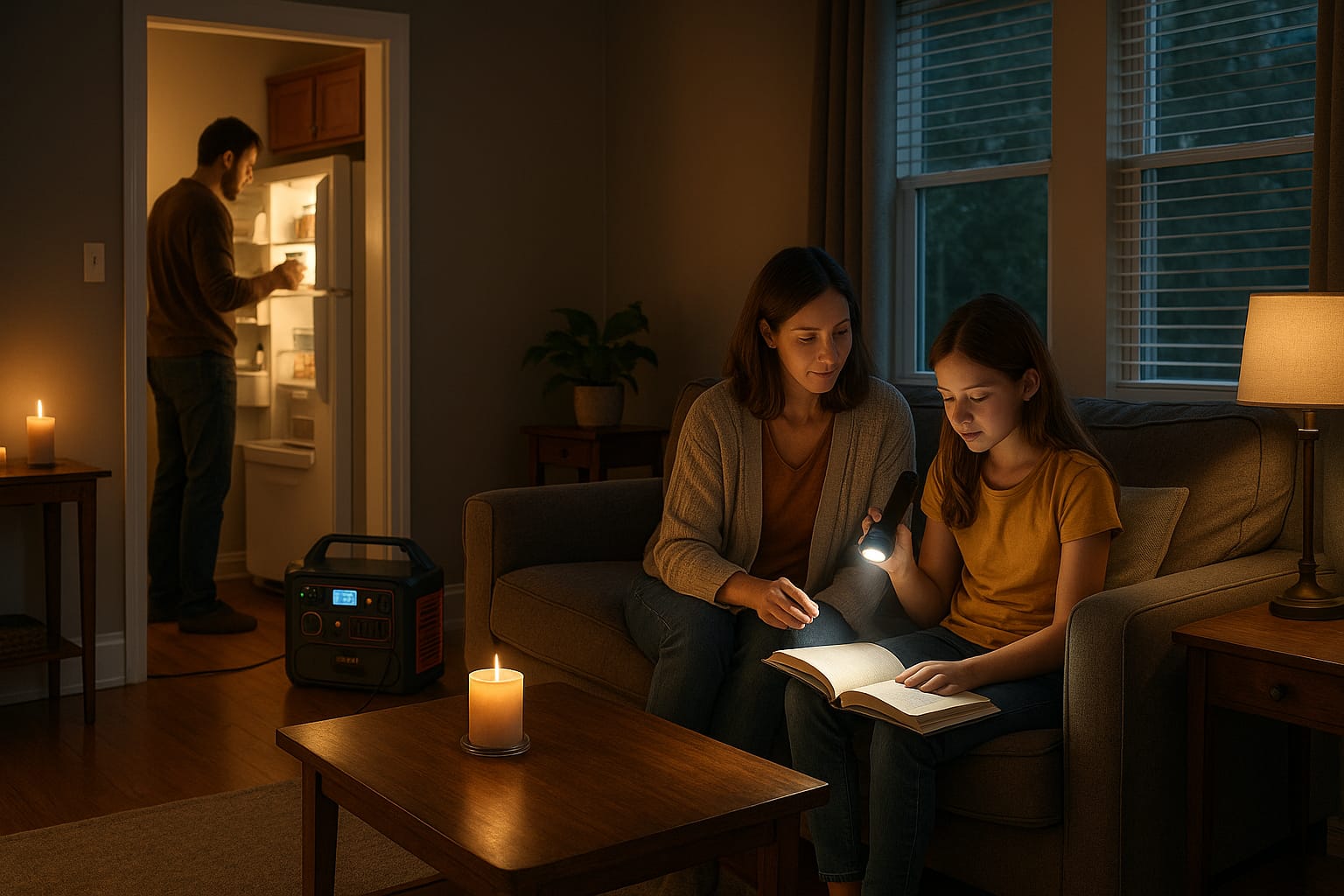
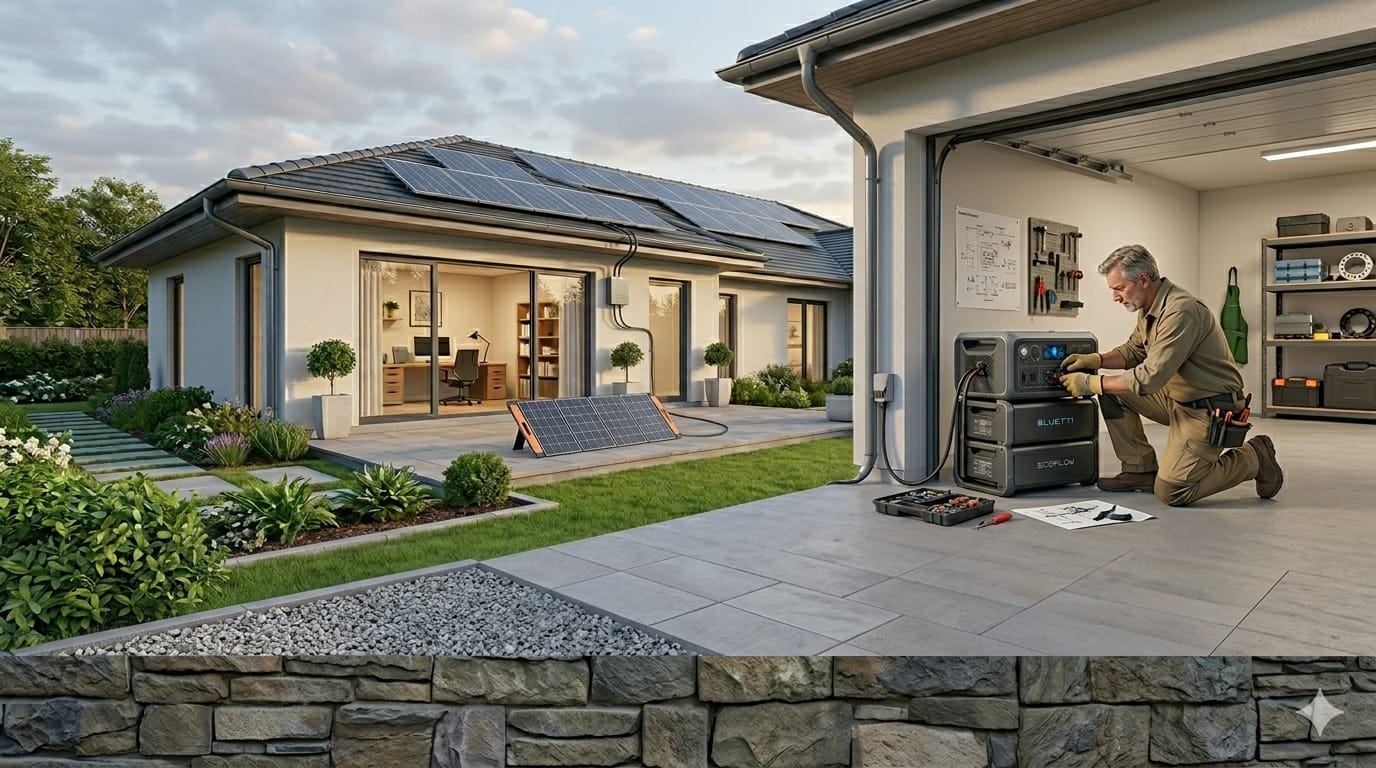
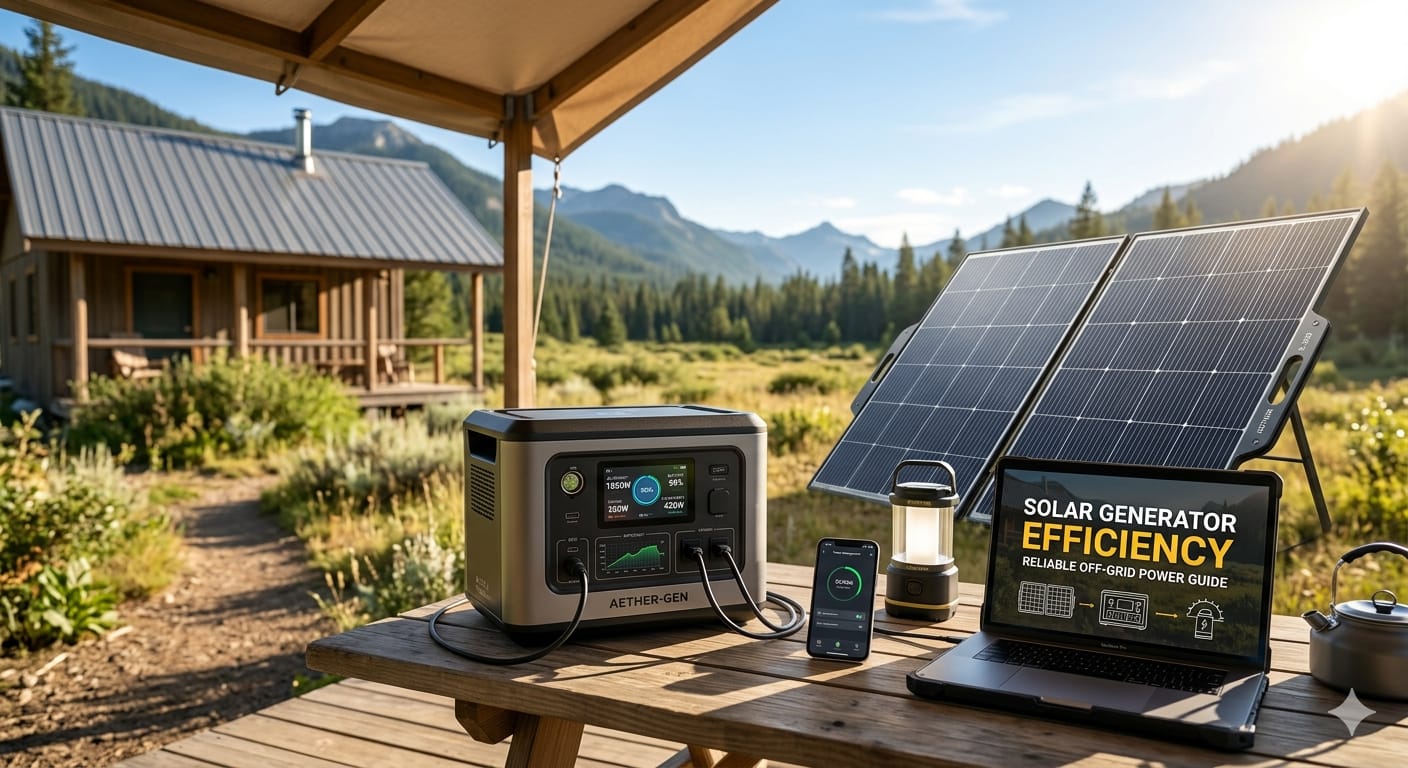
A solar generator combines solar panels, a battery storage system, and an inverter to convert solar energy into usable electricity. Unlike traditional generators, they offer a renewable and quiet solution for power outages.
Why Choose a Solar Generator for Outages?
Solar generators are ideal for outages because they provide a sustainable power source without relying on fuel. They are especially useful in sunny regions and can be part of a long-term energy resilience strategy.
Sizing Your Solar Generator for Backup Needs
Calculating Your Power Requirements
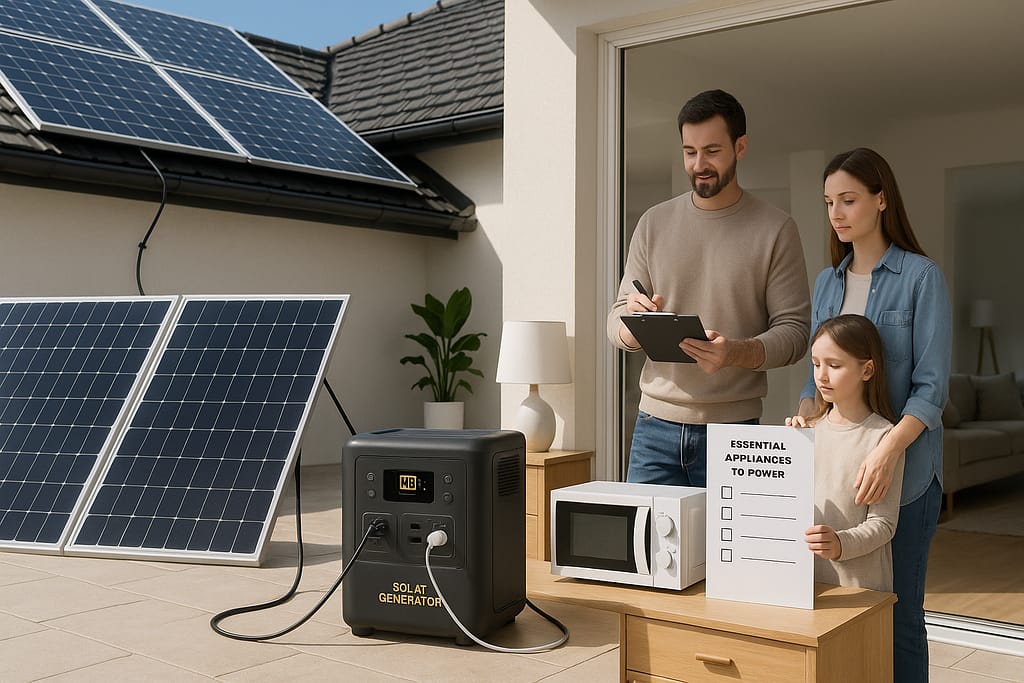
To determine the right size for your solar generator setup, list the essential appliances you need during an outage and calculate their total power requirements. Consider both starting and running wattages.
Matching Generator Capacity to Appliance Needs
Ensure your solar generator’s capacity matches your calculated power needs. Opt for a generator with a slightly higher capacity to handle unexpected demands and ensure reliable performance.
Setting Up Your Solar Generator Safely
Choosing the Right Location
Select a location for your solar generator setup that is dry, well-ventilated, and easily accessible. Avoid areas prone to flooding or extreme weather conditions.
Connecting Solar Panels and Batteries
Follow the manufacturer’s instructions to connect solar panels and batteries. Ensure all connections are secure and use appropriate cables to prevent power loss or damage.
Prioritising Appliances During an Outage
Essential Appliances to Power
During an outage, prioritize appliances such as refrigerators, freezers, medical devices, and communication equipment. These ensure safety, preserve food, and maintain connectivity.
Managing Power Load Efficiently
Use power strips with surge protection to manage load efficiently. Turn off non-essential devices to conserve energy and extend the generator’s runtime.
Selecting the Right Solar Generator for Your Home
Key Features to Look For
When selecting a solar generator setup, look for features like battery capacity, inverter efficiency, recharge time, and portability. These factors impact usability and effectiveness during an outage.
Comparing Popular Models
Compare models based on your needs. For example, the Delta Pro 3 Solar Generator offers robust capacity and efficiency, making it suitable for larger homes.
Safety and Maintenance Tips
Regular Maintenance Practices
Regularly check connections, clean solar panels, and test the generator under load conditions. Proper maintenance ensures reliability and extends the lifespan of your system.
Safety Precautions to Follow
Always follow the manufacturer’s safety guidelines. Use appropriate cables, avoid overloading, and ensure the generator is grounded to prevent electrical hazards.
Emergency Preparedness and Food Safety
Keeping Food Safe
During a power outage, keep refrigerator and freezer doors closed to maintain temperature. Refer to CDC guidelines for detailed food safety practices.
Resources for Emergency Readiness
Consult resources like Ready.gov for comprehensive emergency preparedness strategies, ensuring your home is ready for any outage scenario.
FAQ
How long can a solar generator power my home?+
The duration a solar generator can power your home depends on its capacity and the power consumption of your appliances. It’s crucial to calculate your needs and choose a generator that can meet those demands.
What appliances can a solar generator run during an outage?+
A solar generator can typically run essential appliances such as refrigerators, lights, and communication devices. The exact appliances depend on the generator’s capacity and your prioritization strategy.
How do I maintain my solar generator?+
Maintain your solar generator by regularly cleaning solar panels, checking connections, and testing the system under load. Follow the manufacturer’s maintenance schedule for optimal performance.
For more information on solar generators, visit our Solar Generators page.
Independent Analysis: Backup Solutions
Further Resources
Independent research and technical documentation for home energy resilience.
Core Guides
Product Reviews
External Data
Transparency: Backup Energy Guide participates in the Amazon affiliate programs and may earn commissions from qualifying purchases. This supports independent research, platform maintenance, and ongoing comparison updates. Affiliate partnerships do not influence rankings, product selection, or editorial conclusions. All evaluations are structured around consistent performance criteria, documented specifications, and long-term ownership considerations rather than commercial incentives or brand relationships.