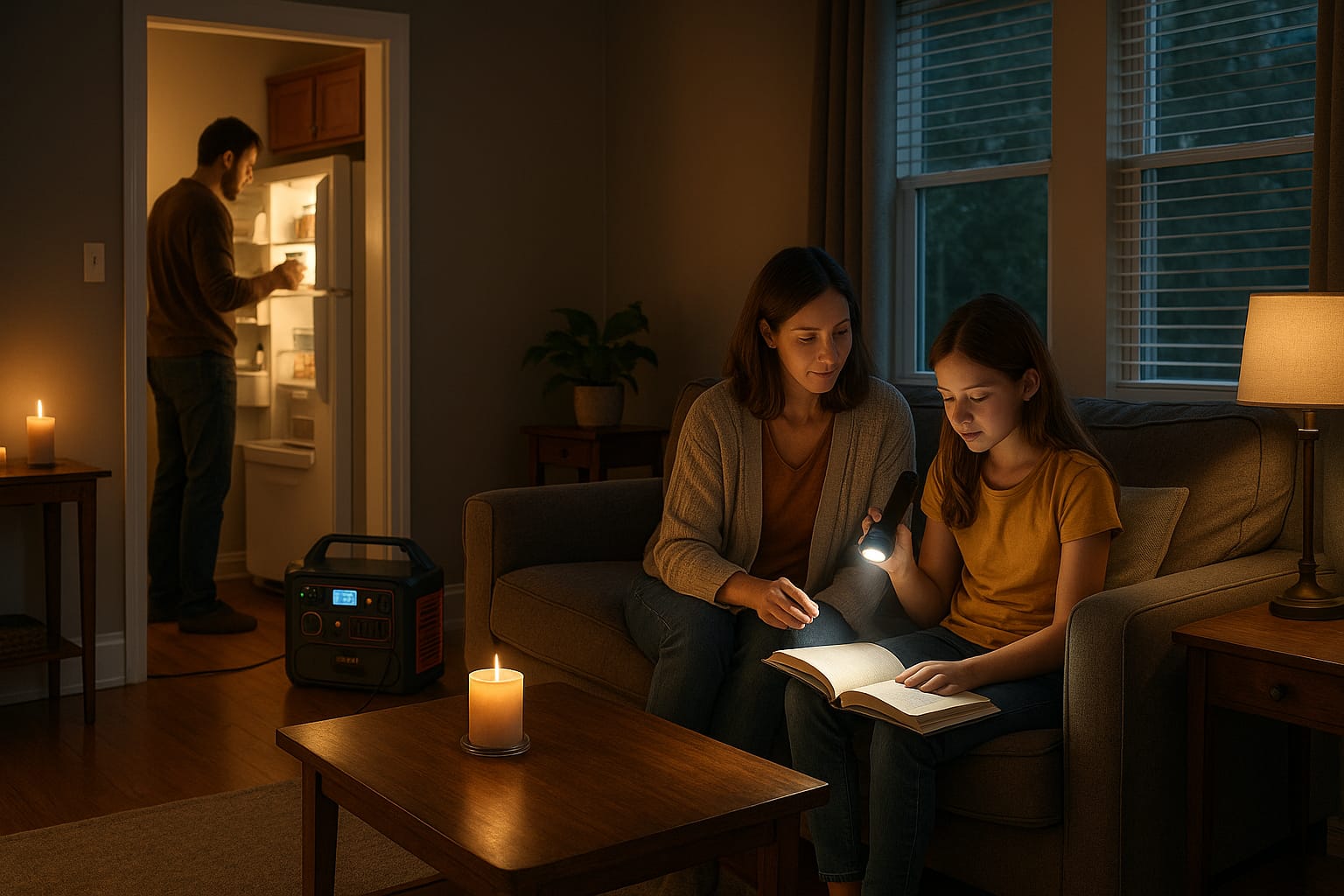
Power Outage Emergency Plan For 2026 | Homeowners Guide
Learn how to create a practical home power outage emergency plan with backup power solutions like solar generators and portable power stations.
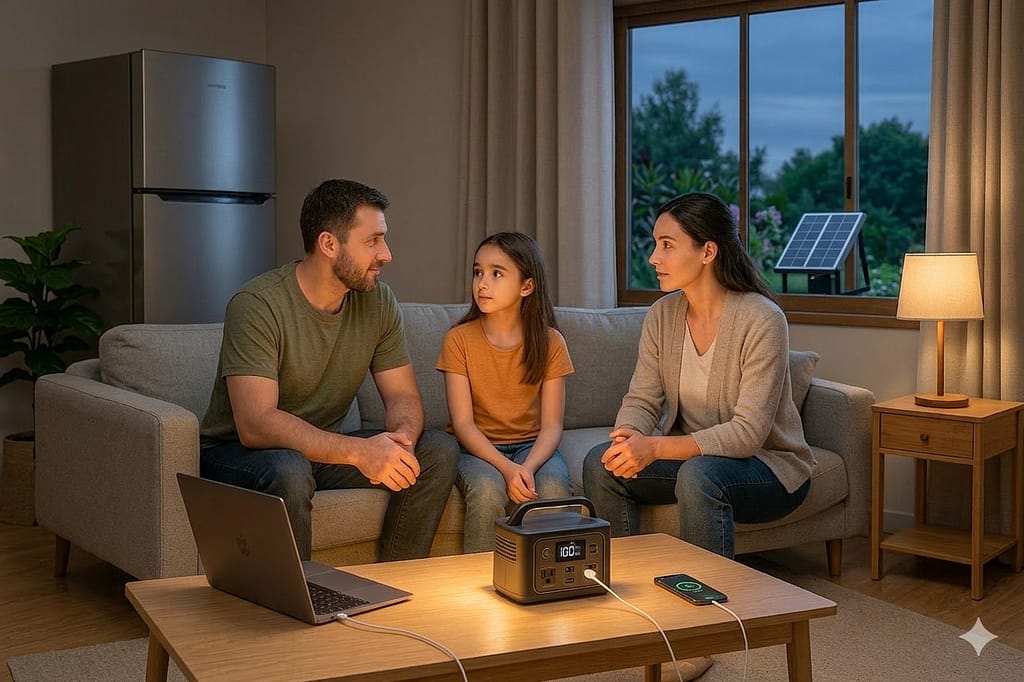
What matters most
An effective power outage emergency plan works best when appliance priorities, recharge strategy, and household trade-offs are planned together instead of treated as separate decisions. This coordinated approach ensures you prioritize essential appliances while managing recharge cycles and household needs efficiently.
Understand Risk
Identify critical systems.
Choose Backup
Scale for your load.
Avoid Mistakes
Analysis of failed plans.
Quick Guide to Building a Home Power Outage Emergency Plan
An effective power outage emergency plan works best when appliance priorities, recharge strategy, and household trade-offs are planned together instead of treated as separate decisions. This coordinated approach ensures you prioritize essential appliances while managing recharge cycles and household needs efficiently.
When readers compare backup options, a good plan should lead them toward a safer and more realistic setup, not just a bigger unit with stronger marketing claims. Focus on reliability and suitability for your home’s actual energy consumption, avoiding the temptation of simply purchasing a larger unit.
Practical power outage emergency plan decisions come from matching your backup method to your real outage pattern rather than buying more capacity than your household will actually use well. Choose a backup solution that aligns with the frequency and duration of outages in your area to avoid overspending on excessive capacity.
Furthermore, a comprehensive plan should also account for recharge time, battery limits, and whether your preferred system can handle startup demand without creating false confidence. It’s crucial to understand how long your system takes to recharge, its storage limitations, and its capability to handle the initial power surge required by certain appliances.
For most households, power outage emergency plan is less about running everything and more about protecting food, communication, lighting, and the appliances that matter most first. Prioritize critical needs like food preservation (refrigerator/freezer), communication devices (phones, internet), essential lighting, and crucial systems like medical equipment or security alarms. Realistically, you likely won’t be able to run all appliances simultaneously during an outage.
Finally, a power outage emergency plan is usually strongest when you start by deciding which loads are essential, which ones can wait, and how long you realistically need backup support. Begin by identifying your household’s absolute must-have electrical needs, distinguishing between critical and non-essential items, and determining the minimum expected duration of backup support required.
| Appliance category | Typical role | Priority |
|---|---|---|
| Critical appliances | Refrigerator, freezer, medical devices, essential lighting, communications | High |
| Important appliances | Router, work devices, selective cooking support, comfort items with practical daily value | Medium |
| Optional appliances | Convenience loads and non-essential entertainment or comfort devices | Lower |
Creating a home power outage emergency plan is essential for maintaining safety and comfort during unexpected outages. By assessing your power needs, choosing the right backup solutions, and prioritizing appliances, you can ensure a smoother experience when the lights go out.
Key Takeaways for Effective Power Outage Planning
- Assess your essential power needs.
- Choose suitable backup power solutions.
- Prioritize critical appliances during outages.
- Ensure safety and readiness with regular system checks.
Understanding Your Power Needs
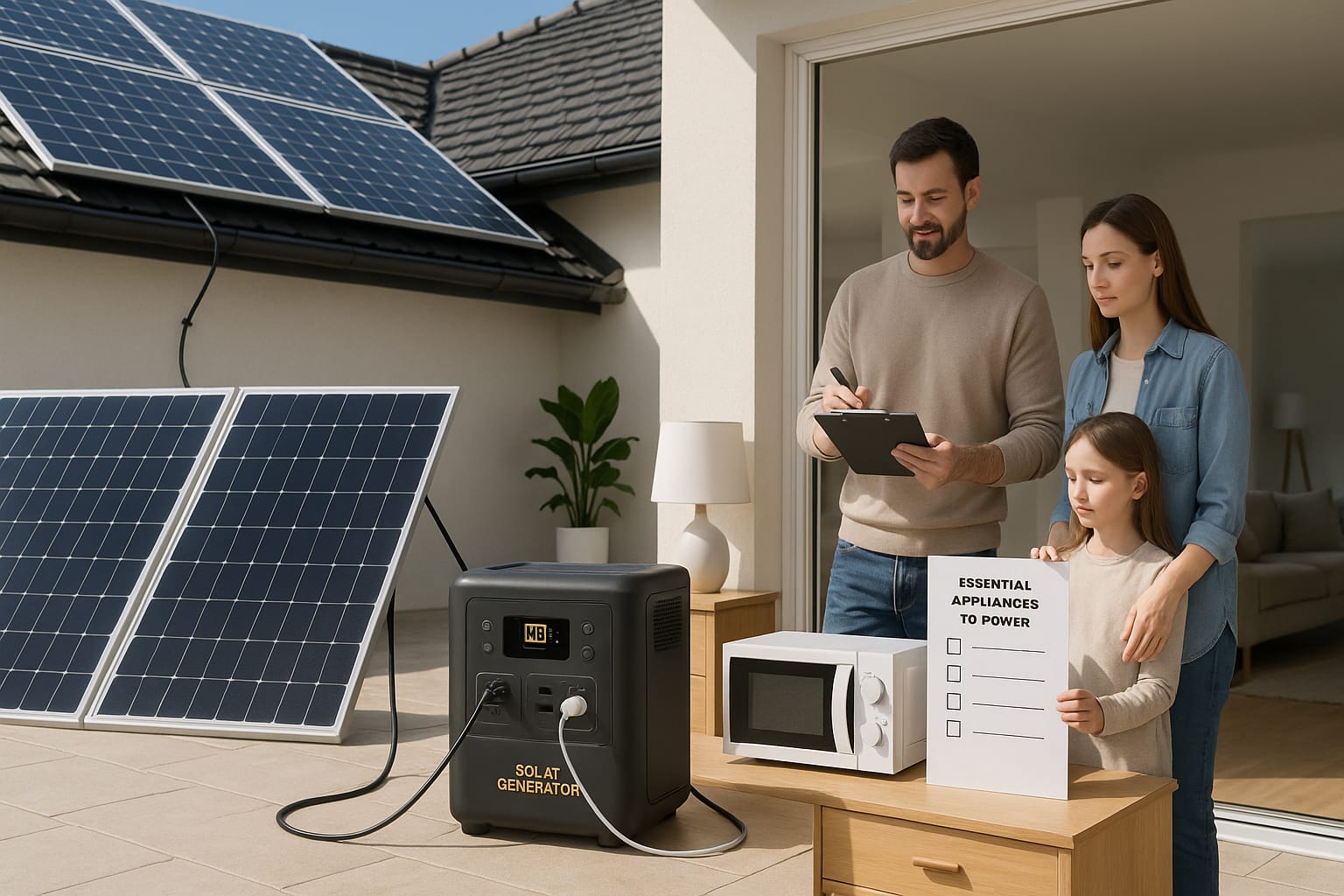
Identify Essential Appliances
Begin by listing appliances that are crucial during an power outage emergency. This typically includes refrigerators, freezers, medical devices, lighting, and communication tools. Understanding what you need to keep running helps in planning your backup power requirements.
Calculate Total Power Consumption
Calculate the total power consumption of your essential appliances. This involves checking the wattage of each device and estimating the total load. This calculation will guide you in selecting the right backup power system for a power outage emergency.
Choosing the Right Backup Power Solution
Solar Generators vs. Portable Power Stations
Solar generators and portable power stations offer different benefits. Solar generators are ideal for sustainable energy use, while portable power stations provide flexibility and ease of transport. Consider your specific needs to decide which solution suits your home best for a power outage emergency.
Evaluating Home Battery Systems
Home battery systems offer a more permanent solution for power outage emergency. They can store significant energy, making them suitable for extended outages. Evaluate the initial investment against the long-term benefits to determine if this option fits your needs.
Appliance Planning and Prioritization
Keeping Refrigerators and Freezers Running
Refrigerators and freezers are high-priority appliances during an outage. Keeping them running prevents food spoilage, which can be costly and inconvenient. Consider using a dedicated power source for these appliances.
Powering Medical Devices and Essential Circuits
Medical devices and essential circuits should be prioritized to ensure safety and comfort. Identify which circuits are critical and plan your backup power accordingly.
Safety and Emergency Readiness
Food Safety During Power Outages
Food safety is crucial during power outages. The CDC provides guidance on keeping food safe, such as using coolers and ice packs to maintain low temperatures. For more information, visit the CDC’s food safety guidance.
General Safety Precautions
Ensure your home is prepared for outages with safety measures like smoke detectors, fire extinguishers, and emergency kits. Regularly review and update your emergency plan to address any changes in your household’s needs.
Testing and Maintaining Your Backup System
Regular System Checks
Conduct regular checks on your backup power system to ensure it’s functioning correctly. This includes testing the system under load and verifying battery health.
Battery Maintenance Tips
Proper battery maintenance extends the life of your backup system. Keep batteries charged and store them in a cool, dry place to prevent degradation.
Integrating Backup Power into Your Home
Connecting to Home Circuits
Integrating backup power into your home circuits requires careful planning. Use transfer switches to safely connect your backup system to your home’s electrical panel.
Using Transfer Switches
Transfer switches allow for seamless transition between grid power and backup power. They prevent backfeeding, which can be dangerous for utility workers and your equipment.
Cost Considerations and Budgeting
Initial Investment vs. Long-term Savings
While the initial investment in backup power systems can be significant, consider the long-term savings and peace of mind they provide. Weigh the costs against potential losses during extended power outage emergency.
Financing Options
Explore financing options to make the investment more manageable. Some providers offer payment plans or incentives that can ease the financial burden.
FAQ
What is the best backup power solution for a small home?+
The best solution depends on your specific needs and budget. Solar generators and portable power stations are popular for their flexibility and ease of use. Consider your power requirements and space availability when choosing.
How often should I test my backup power system?+
It’s advisable to test your backup power system at least twice a year. Regular testing ensures that the system is ready to perform when needed.
Can I use a solar generator to power my entire home?+
While solar generators can provide substantial power, they may not be sufficient for an entire home during extended outages. Consider supplementing with additional systems or focusing on essential appliances.
For more information on backup power solutions, explore our Solar Generators and Portable Power Stations guides.
Creating a power outage emergency plan is a proactive step towards ensuring the safety and comfort of your household during unexpected outages. By understanding your needs and selecting the right backup solutions, you can confidently navigate any power interruptions.
Independent Analysis: Backup Solutions
Further Resources
Independent research and technical documentation for home energy resilience.
Core Guides
Product Reviews
External Data
Transparency: Backup Energy Guide participates in the Amazon affiliate programs and may earn commissions from qualifying purchases. This supports independent research, platform maintenance, and ongoing comparison updates. Affiliate partnerships do not influence rankings, product selection, or editorial conclusions. All evaluations are structured around consistent performance criteria, documented specifications, and long-term ownership considerations rather than commercial incentives or brand relationships.