How to Power a House During a Power Outage
Power Outage guide for backup planning, essential steps, and practical home preparedness.
What matters most
Successfully managing a power outage works best when appliance priorities, recharge strategies, and household trade-offs are planned as a single, cohesive system. When comparing your choices, your strategy for a power outage should lead you toward a safer, more realistic setup rather than simply chasing a larger unit with aggressive marketing claims.
Understand Risk
Identify critical systems.
Choose Backup
Scale for your load.
Avoid Mistakes
Analysis of failed plans.
How Can You Power Your Home During a Power Outage?
Successfully managing a power outage works best when appliance priorities, recharge strategies, and household trade-offs are planned as a single, cohesive system. When comparing your choices, your strategy for a power outage should lead you toward a safer, more realistic setup rather than simply chasing a larger unit with aggressive marketing claims.
Effective decisions during a power outage come from matching your backup technology to your specific local utility patterns. It is about avoiding the trap of over-investing in capacity that your household cannot efficiently manage. A practical power outage plan must account for recharge windows, battery discharge limits, and whether your system can handle high startup “surge” demands without providing a sense of false confidence.
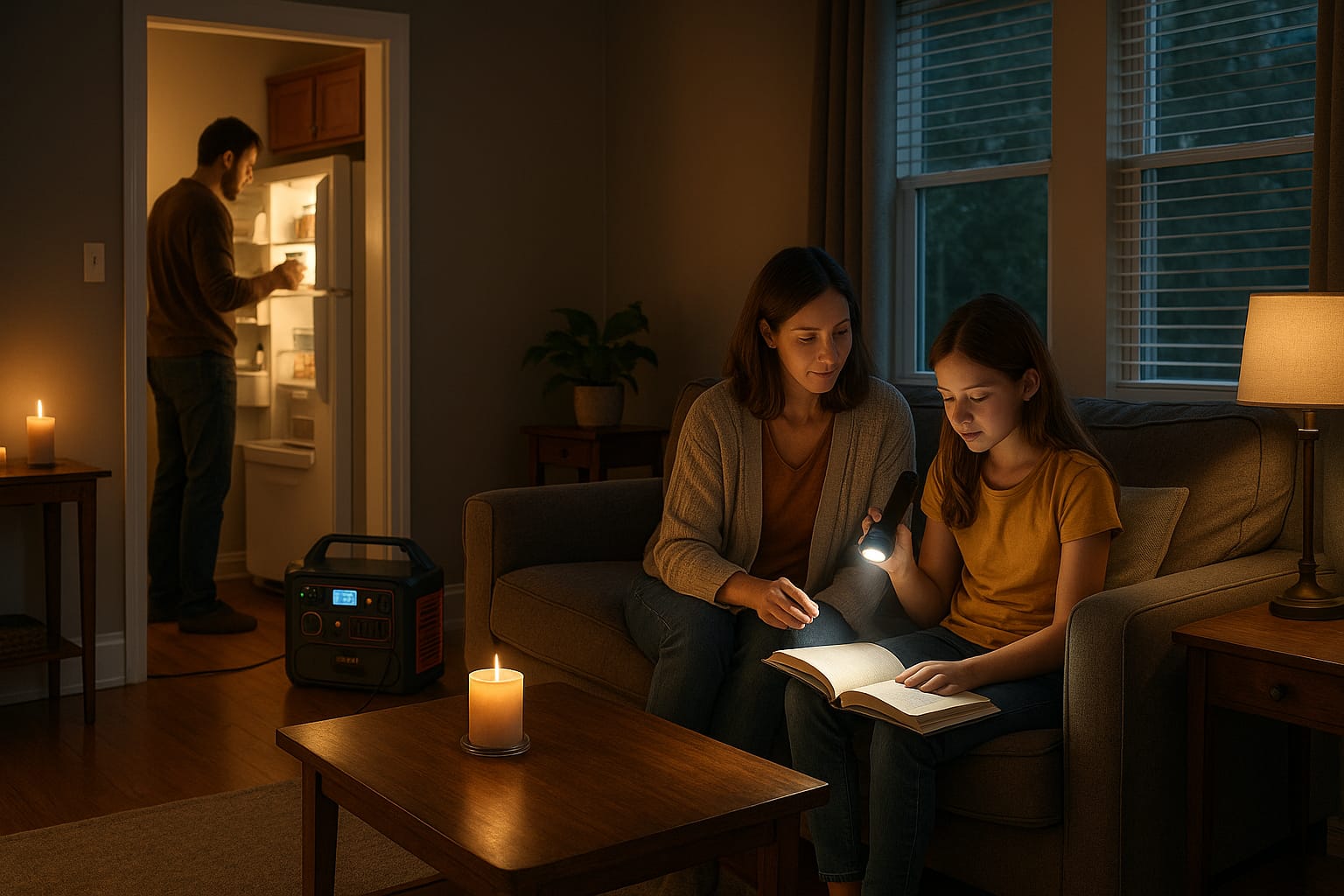
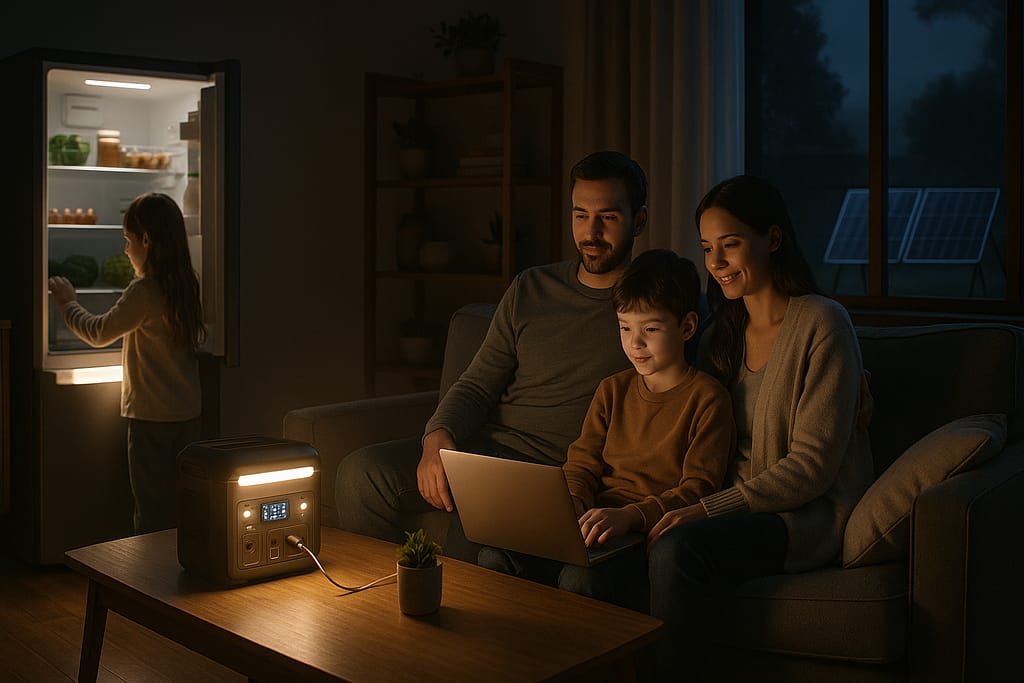
For the majority of households, surviving a power outage is less about attempting to run the entire home and more about protecting food security, communication, lighting, and essential medical devices. Your resilience during a power outage is strongest when you begin by categorizing which loads are critical, which can wait, and exactly how long you require sustained support.
Homeowners seeking dependable solutions for a power outage have several paths available, ranging from solar generators and portable power stations to permanent home battery systems. Understanding the nuances of these technologies ensures your home remains functional and safe during unexpected grid failures.
.
Key Considerations for Power Outage Preparedness
- Understand the difference between essential-circuit and whole-home backup.
- Assess your home’s power needs to determine the appropriate system size.
- Consider the installation and maintenance requirements of each system.
Understanding Backup Power Options
Essential-Circuit Backup vs. Whole-Home Backup
Essential-circuit backup focuses on powering critical appliances, such as refrigerators and medical devices, while whole-home backup systems aim to supply power to the entire house. The choice depends on your budget and power needs during an outage.
Types of Backup Power Systems
Homeowners can choose from solar generators, portable power stations, and home battery systems. Solar generators are eco-friendly and rely on sunlight, making them suitable for extended outages. Portable power stations offer flexibility and are ideal for smaller spaces, while home battery systems provide robust backup for larger homes.
Assessing Your Home’s Power Needs
Identifying Essential Appliances
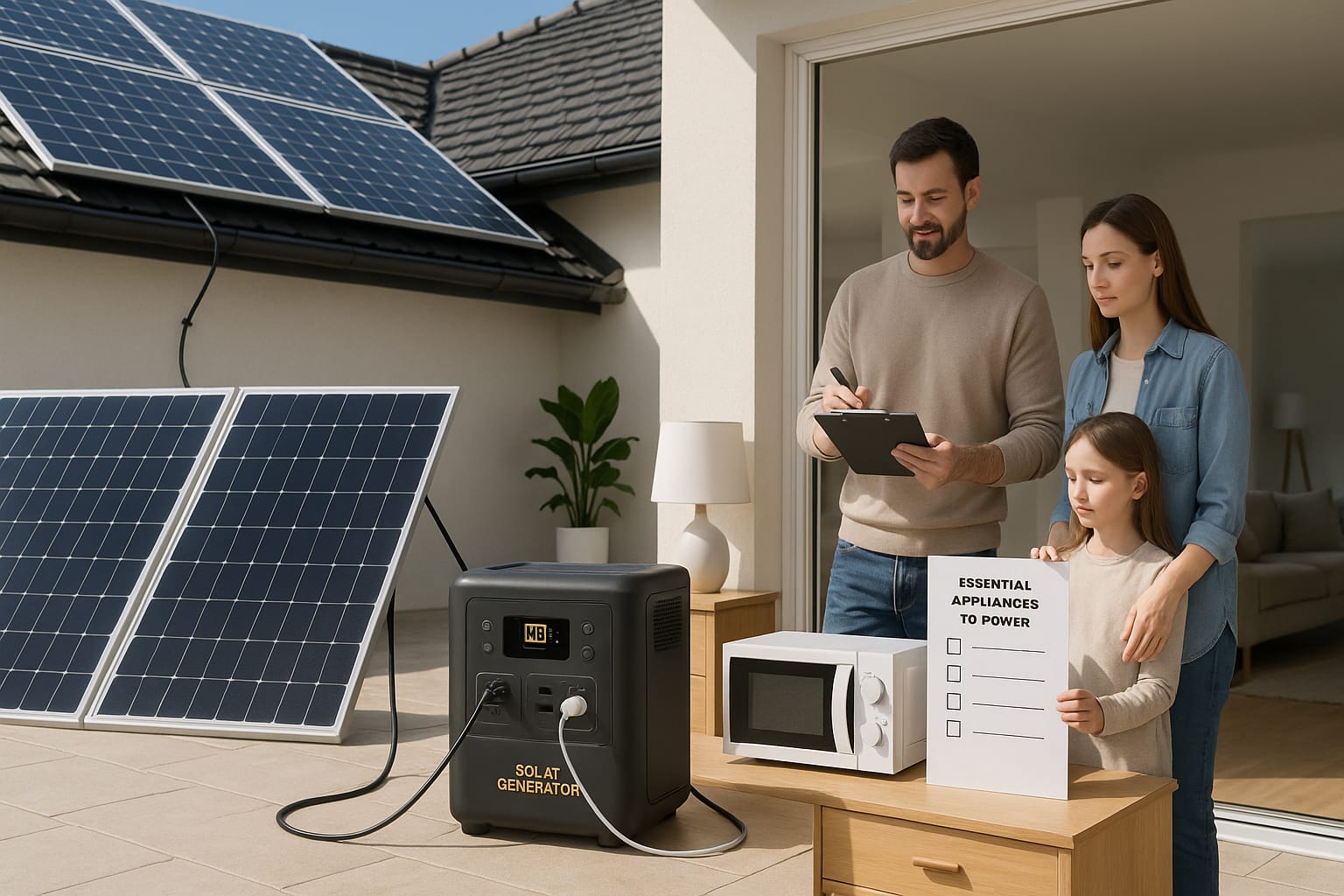
During an outage, priorities appliances that are crucial for safety and comfort. These typically include refrigerators, medical devices, and communication equipment. Identify these appliances to ensure your backup system can support them.
Calculating Power Consumption
Calculate the total wattage of your essential appliances to determine the capacity required for your backup system. This helps in selecting a system that can efficiently power your home during an outage.
Choosing the Right Backup Power System
Solar Generators
Solar generators are ideal for those seeking sustainable solutions. They harness solar energy, providing a renewable power source. However, their efficiency depends on sunlight availability, making them more suitable for sunny regions.
Portable Power Stations
Portable power stations offer flexibility and ease of use. They are perfect for temporary setups and smaller homes. Consider units with sufficient capacity to support your essential appliances.
Home Battery Systems
Home battery systems provide a comprehensive backup solution, capable of supporting larger homes with higher power demands. They often integrate with solar panels, offering a seamless and sustainable power source.
Installation and Safety Considerations
Professional Installation vs. DIY
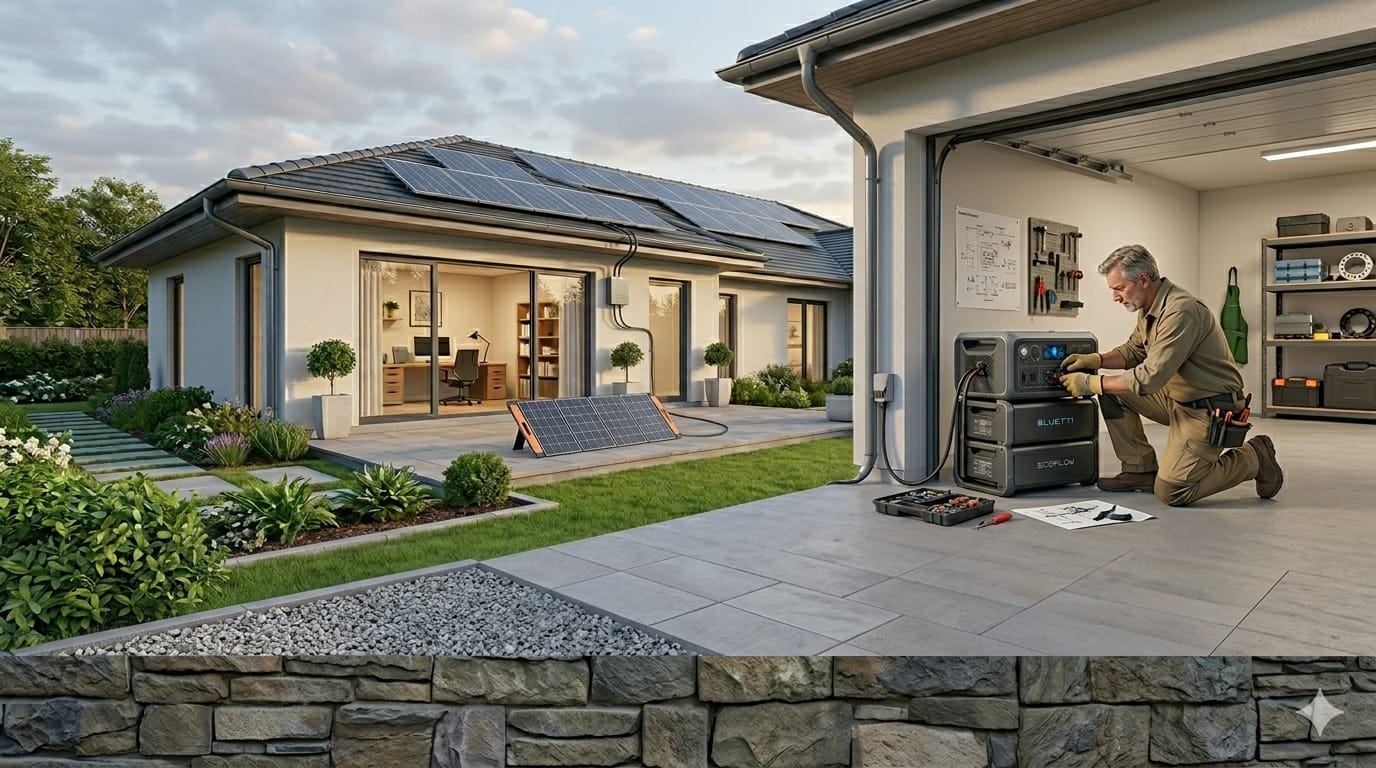
While some systems allow for DIY installation, professional installation ensures safety and compliance with local regulations. It also guarantees optimal system performance.
Safety Tips for Backup Power Use
Always follow manufacturer guidelines and safety recommendations. Ensure proper ventilation for generators and regularly check connections to prevent hazards.
Maintaining Your Backup Power System
Regular Maintenance Practices
Regular maintenance is crucial for ensuring the reliability of your backup system. This includes battery checks, cleaning solar panels, and testing the system periodically.
Troubleshooting Common Issues
Familiarise yourself with common issues such as battery degradation or inverter faults. Having a basic troubleshooting guide can help resolve minor problems quickly.
Bridging to Product Selection
Reviewing Top Solar Generators
Explore our best solar generators for home to find models that suit your needs and budget.
Exploring Portable Power Station Options
Check out our best portable power stations for home backup to discover versatile and reliable options.
Appliance Power Planning During a Power Outage
Prioritising which appliances to power during an outage is essential for effective backup planning. Here’s a guide to help you:
| Appliance Category | Typical Role | Priority Level |
|---|---|---|
| Critical Appliances | Refrigerators, medical devices | High |
| Important Appliances | Lighting, communication devices | Medium |
| Optional Appliances | Entertainment systems | Low |
Focus on powering critical appliances first, as they are vital for safety and well-being. Important appliances enhance comfort, while optional ones can be powered if capacity allows.
For more detailed reviews and buying guides, visit our reviews section. Prepare your home effectively by choosing the right backup system and stay resilient during power outages.
Frequently Asked Questions
Can I use a portable power station for a whole-home backup?+
Portable power stations are best suited for essential appliances and smaller setups. For whole-home backup, consider a home battery system.
How long can a solar generator power my home during an outage?+
The duration depends on the generator’s capacity and sunlight availability. Typically, solar generators are ideal for short-term use and essential appliances.
What maintenance is required for a home battery system?+
Regularly check battery health, clean solar panels if integrated, and test the system to ensure reliable performance during outages.
Is professional installation necessary for backup power systems?+
Professional installation is recommended for safety, compliance, and optimal performance, especially for complex systems like home batteries.
What should I do if my backup system fails during an outage?+
Refer to the troubleshooting guide provided by the manufacturer and check common issues like battery connections or inverter faults.
How can I prioritize appliances during a power outage?+
Focus on critical appliances like refrigerators and medical devices first, then important ones like lighting, followed by optional appliances if capacity allows.
Independent Analysis: Backup Solutions
Further Resources
Independent research and technical documentation for home energy resilience.
Core Guides
Product Reviews
External Data
Transparency: Backup Energy Guide participates in the Amazon affiliate programs and may earn commissions from qualifying purchases. This supports independent research, platform maintenance, and ongoing comparison updates. Affiliate partnerships do not influence rankings, product selection, or editorial conclusions. All evaluations are structured around consistent performance criteria, documented specifications, and long-term ownership considerations rather than commercial incentives or brand relationships.