Home Battery Systems | Effective Guide To Backup Power 2026
Discover how to choose the best home battery systems for backup power. Understand key considerations for effective outage planning and appliance priorities.
What matters most
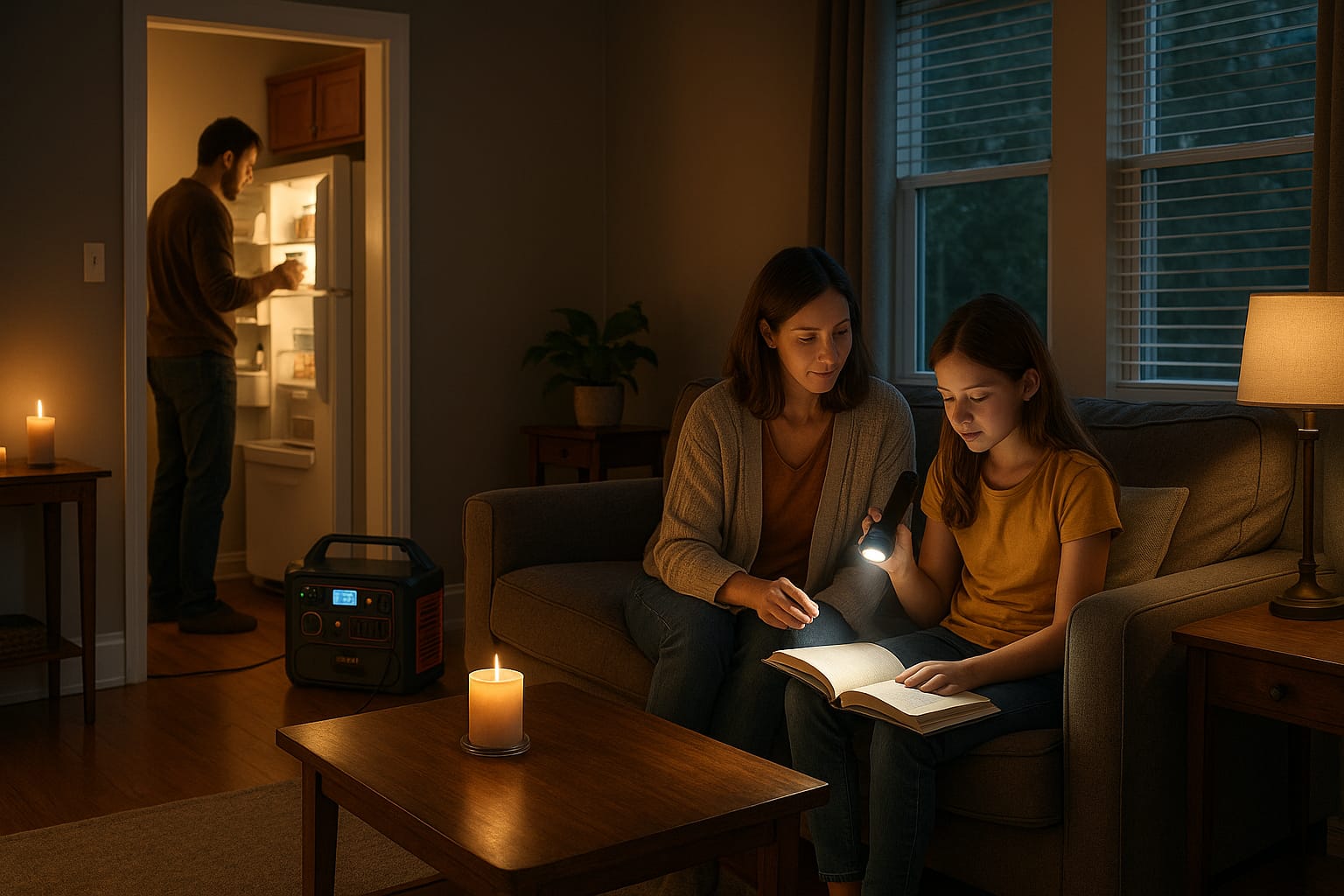
Choosing the right home battery system is crucial for ensuring reliable backup power during outages. Focus on understanding your energy needs, the system’s capacity, inverter stability, and long-term ownership costs.
Understand Risk
Identify critical systems.
Choose Backup
Scale for your load.
Avoid Mistakes
Analysis of failed plans.
How to Choose the Right Home Battery System for Backup Power
Choosing the right home battery system is crucial for ensuring reliable backup power during outages. Focus on understanding your energy needs, the system’s capacity, inverter stability, and long-term ownership costs.
Beyond basic specs, you must evaluate the battery’s chemistry—such as Lithium Iron Phosphate (LFP)—to ensure safety and a high cycle life over years of consistent use.
Key Considerations for Selecting Home Battery Systems
- Understand your home’s energy requirements.
- Consider system capacity and power output.
- Evaluate inverter stability and efficiency.
- Plan for essential appliance backup.
- Assess long-term ownership implications.
Understanding Home Battery Systems
What Are Home Battery Systems?
Home battery systems are energy storage solutions that provide backup power during outages. They store electricity from the grid or solar panels, allowing homeowners to use stored energy when needed. These systems are integral to maintaining power continuity, especially in areas prone to outages.
Benefits of Home Battery Systems
Home battery systems offer several benefits, including energy independence, reduced reliance on the grid, and enhanced resilience during power outages. They can also lower electricity bills by storing energy during off-peak times and using it during peak demand periods.
Key Factors in Home Battery System Selection
Capacity and Power Output
When selecting a home battery system, consider both its capacity and power output. Capacity determines how much energy the system can store, while power output indicates how much energy it can deliver at any given time. Ensure the system can support your essential appliances during an outage.
Inverter Stability and Efficiency
Inverter stability is crucial for converting stored DC power to usable AC power. Choose systems with efficient inverters that provide stable power output, reducing the risk of damage to sensitive electronics during fluctuations.
Practical Whole-Home Backup Planning
Assessing Your Home’s Energy Needs
Begin by evaluating your home’s energy needs. Calculate the total wattage required to power essential appliances during an outage. This assessment helps in selecting a battery system that matches your requirements.
Prioritizing Essential Appliances
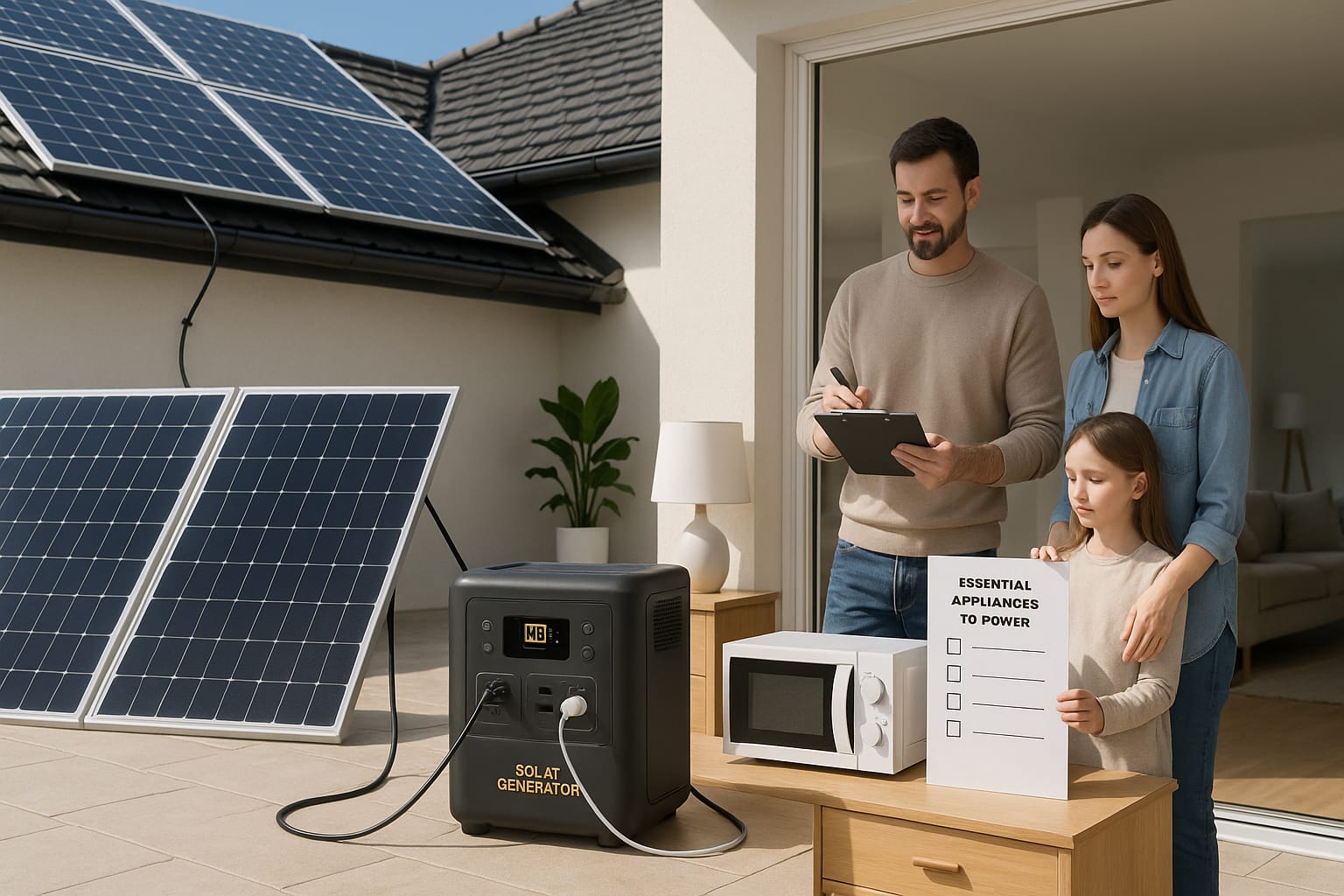
Identify which appliances are critical during an outage. Typically, refrigerators, freezers, medical devices, and communication equipment take priority. Understanding these priorities helps in sizing your home battery system appropriately.
Appliance Power Planning During a Power Outage
Prioritizing appliances during a power outage is essential to ensure critical needs are met. Here’s a simple guide to help you:
| Appliance Category | Typical Role | Priority Level |
|---|---|---|
| Critical Appliances | Refrigerator, Freezer, Medical Devices | High |
| Important Appliances | Lighting, Router, Phone Chargers | Medium |
| Optional Appliances | Television, Microwave, Non-essential Electronics | Low |
Bridging to Product Selection
Comparing Available Models
Once you’ve assessed your needs, compare available models. Look for systems that offer the right balance of capacity, efficiency, and cost. Consider reviews and expert recommendations to narrow down your options.
Evaluating Long-Term Ownership Considerations
Consider the long-term implications of owning a battery system, including maintenance, warranty, and potential upgrades. Choose a system that offers reliable support and future-proof features.
Safety and Emergency Preparedness
Ensuring Safe Installation and Use
Proper installation is key to safe operation. Use certified professionals and follow manufacturer guidelines. Regular maintenance checks can prevent potential hazards and ensure system longevity.
Emergency Readiness and Maintenance
Regularly test your system to confirm its readiness for emergencies. Keep a maintenance schedule and update your emergency plan to include battery system usage.
Making the Purchase Decision
Budgeting for Your Home Battery System
Budgeting is crucial when selecting a home battery system. Consider initial costs, installation fees, and potential savings on energy bills. Evaluate different financing options to make an informed decision.
Exploring Financing and Incentives
Look into available financing options and incentives, such as tax credits or rebates, which can offset the cost of your home battery system. These can make a significant difference in the overall affordability.
FAQs
What size home battery system do I need for my home?
The size of the battery system depends on your energy needs and the duration of the expected outages. Conduct an energy audit to determine the appropriate capacity.
How do home battery systems integrate with solar panels?
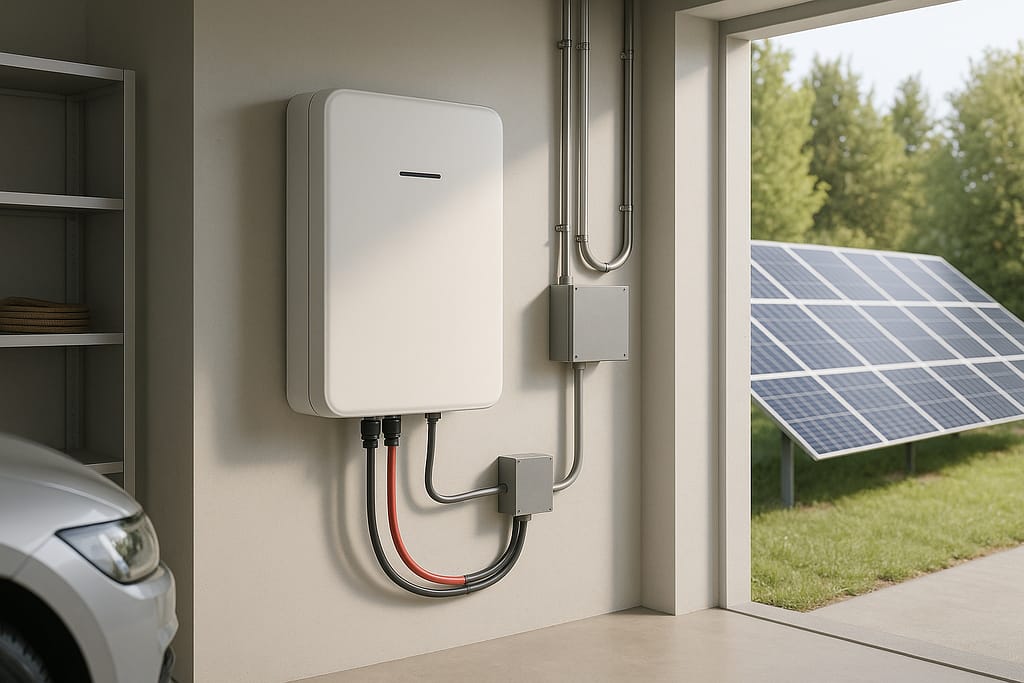
Home battery systems can be integrated with solar panels to store excess solar energy, providing a renewable backup power source. This setup enhances energy independence and can reduce electricity costs.
Are there any safety concerns with home battery systems?
While home battery systems are generally safe, they must be installed correctly and maintained regularly. Follow manufacturer guidelines and consult professionals for installation to mitigate risks.
For more detailed guidance on home battery systems, visit our Home Battery Systems page or explore our Best Home Battery Systems recommendations. Additionally, check out our EF EcoFlow Delta Pro Ultra Review for an in-depth look at one of the top models available.
For further safety tips during power outages, consider resources like Ready.gov for comprehensive emergency preparedness advice.
Independent Analysis: Backup Solutions
Further Resources
Independent research and technical documentation for home energy resilience.
Core Guides
Product Reviews
External Data
Transparency: Backup Energy Guide participates in the Amazon affiliate programs and may earn commissions from qualifying purchases. This supports independent research, platform maintenance, and ongoing comparison updates. Affiliate partnerships do not influence rankings, product selection, or editorial conclusions. All evaluations are structured around consistent performance criteria, documented specifications, and long-term ownership considerations rather than commercial incentives or brand relationships.