Top Solar Generators for Home Backup & Power Outages in 2026
Top solar generators explained with clear guidance for real-world backup power planning.
What matters most
The effectiveness of top solar generators depends entirely on how well they integrate with your specific appliance priorities and recharge strategy. When readers compare backup options, the goal should be a realistic, stable setup rather than a unit chosen solely for its marketing claims.
Understand Risk
Identify critical systems.
Choose Backup
Scale for your load.
Avoid Mistakes
Analysis of failed plans.
What Are the Best Solar Generators for Extended Power Outages?
The effectiveness of top solar generators depends entirely on how well they integrate with your specific appliance priorities and recharge strategy. When readers compare backup options, the goal should be a realistic, stable setup rather than a unit chosen solely for its marketing claims.
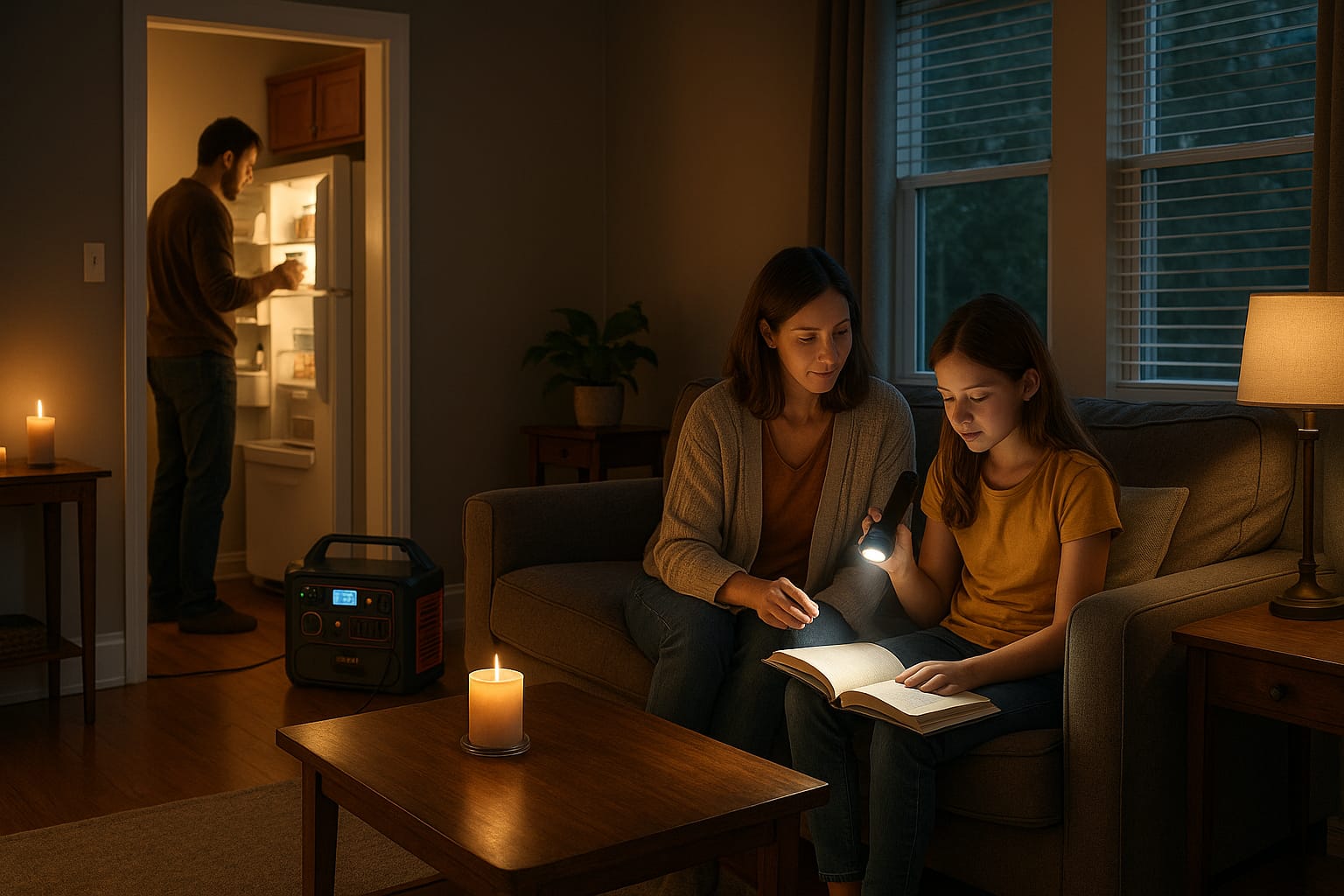
Reliability comes from matching your backup method to your actual outage patterns. A practical plan for top solar generators must account for more than just raw storage; it requires an understanding of recharge times, battery chemistry limits, and whether the system can handle high startup demands without triggering an inverter failure. For most households, selecting a system is less about “running everything” and more about protecting food, maintaining communication, and powering the essential appliances that matter most.
Key Considerations for Choosing a Solar Generator
Choosing the right system involves several critical factors that dictate how well the unit will perform when the grid goes down. Beyond the basic specs, homeowners should prioritize:
-
Usable Battery Capacity (Wh): Don’t just look at the total watt-hours. Consider the Depth of Discharge (DoD). Modern LiFePO4 batteries allow you to use up to 90–100% of the capacity without damage, whereas older technologies might limit you to 50–80%.
-
Inverter size and Surge Stability: Your inverter must be large enough to handle the “surge” or startup demand of appliances like refrigerators, sump pumps, or power tools. Top solar generators provide pure sine wave output to ensure your sensitive laptops and medical devices aren’t damaged by “dirty” power.
-
Battery Chemistry (LFP vs. NMC): In 2026, LiFePO4 (LFP) is the gold standard for home backup. These cells offer 3,000 to 6,000+ charge cycles—lasting over a decade of regular use—and are significantly safer and more thermally stable than older NMC lithium batteries.
-
Solar Input and Recharge Behavior: In an extended outage, the grid won’t help you. Look for a unit with a high DC solar input (e.g., 800W to 1,600W+). This determines if you can fully recharge your system in a single day of sunlight.
-
UPS Switchover Speed: If you are running a home office or medical equipment, look for an Uninterruptible Power Supply (UPS) rating of less than 10–20ms. This ensures your devices stay powered without rebooting when the grid drops.
-
Expandability and Ecosystem: Many top solar generators now offer “plug-and-play” expansion batteries. This allows you to start with a 2kWh base unit and scale up to 10kWh or more as your budget or energy needs grow.
-
Portability and Build Quality: Determine if you need a “roll-away” unit with heavy-duty wheels, like the EcoFlow Delta Pro 3, or a lighter, grab-and-go option for mobile flexibility.
For 2026, leading models such as the EcoFlow Delta Pro 3, Jackery Solar Generator 5000 Plus, and the BLUETTI Elite 100 V2 have set the standard for efficiency, using advanced AI-driven management systems to optimize battery health and recharge speed.
Understanding Solar Generators for Home Backup
How Solar Generators Work
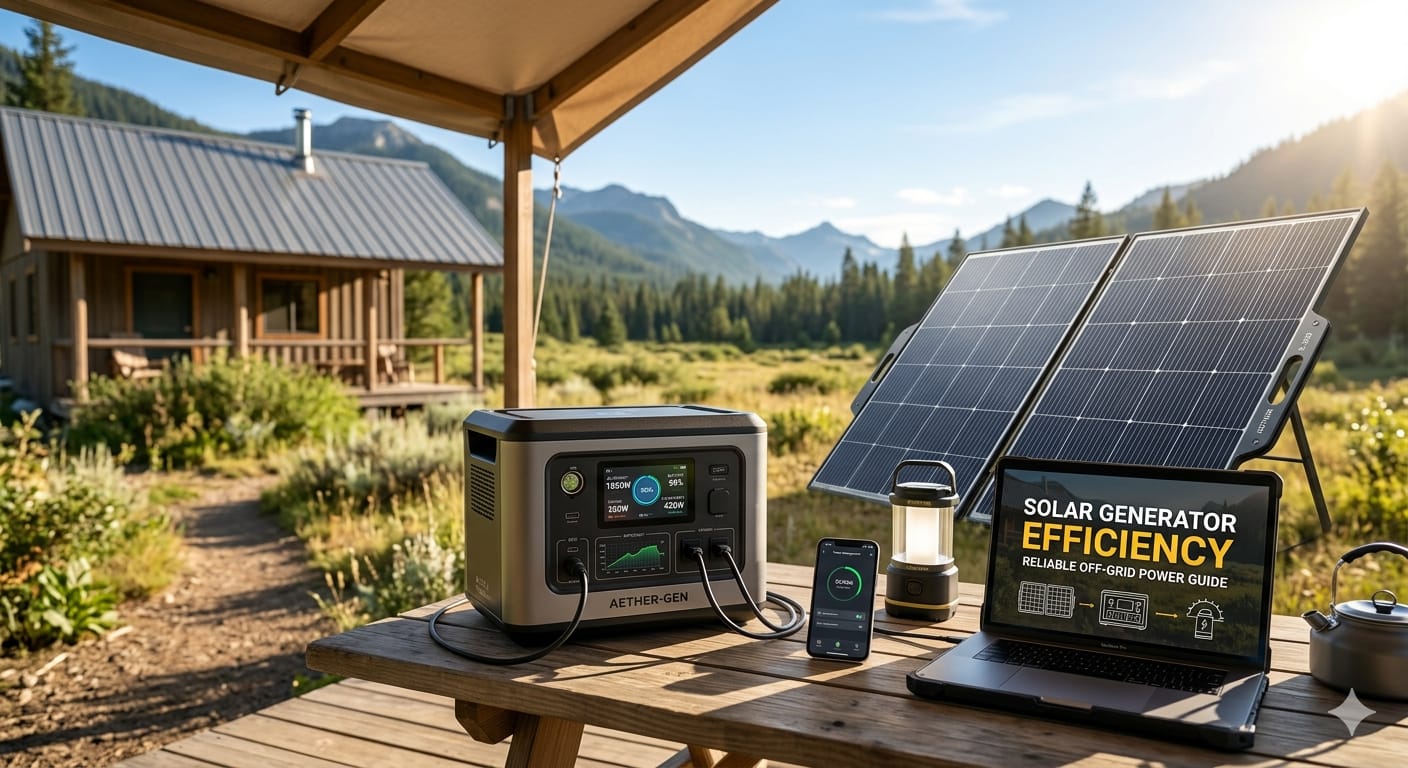
Top Solar generators convert sunlight into electricity, storing it in a battery for later use. This process involves solar panels capturing sunlight, an inverter converting it into usable AC power, and a battery storing the energy. This setup provides a renewable and sustainable power source, ideal for extended outages.
Benefits of Using Solar Generators
Top Solar generators offer several benefits over traditional generators. They are environmentally friendly, producing no emissions during operation. Additionally, they require less maintenance and have lower operational costs since they rely on free solar energy.
Key Features to Look for in Top Solar Generators
Battery Capacity and Inverter Size
Battery capacity determines how long top solar generators can power your devices, while inverter size affects the types of appliances it can support. For extended outages, opt for a generator with a large battery capacity and a powerful inverter to ensure you can run essential appliances.
Portability and Ease of Use
Portability is crucial if you need to move the top solar generators around your home or take it on the go. Look for models with wheels and handles for easy transport. Additionally, user-friendly controls and clear displays make operation straightforward, even for those unfamiliar with solar technology.
Appliance Planning for Extended Outages
Essential Appliances to Prioritize
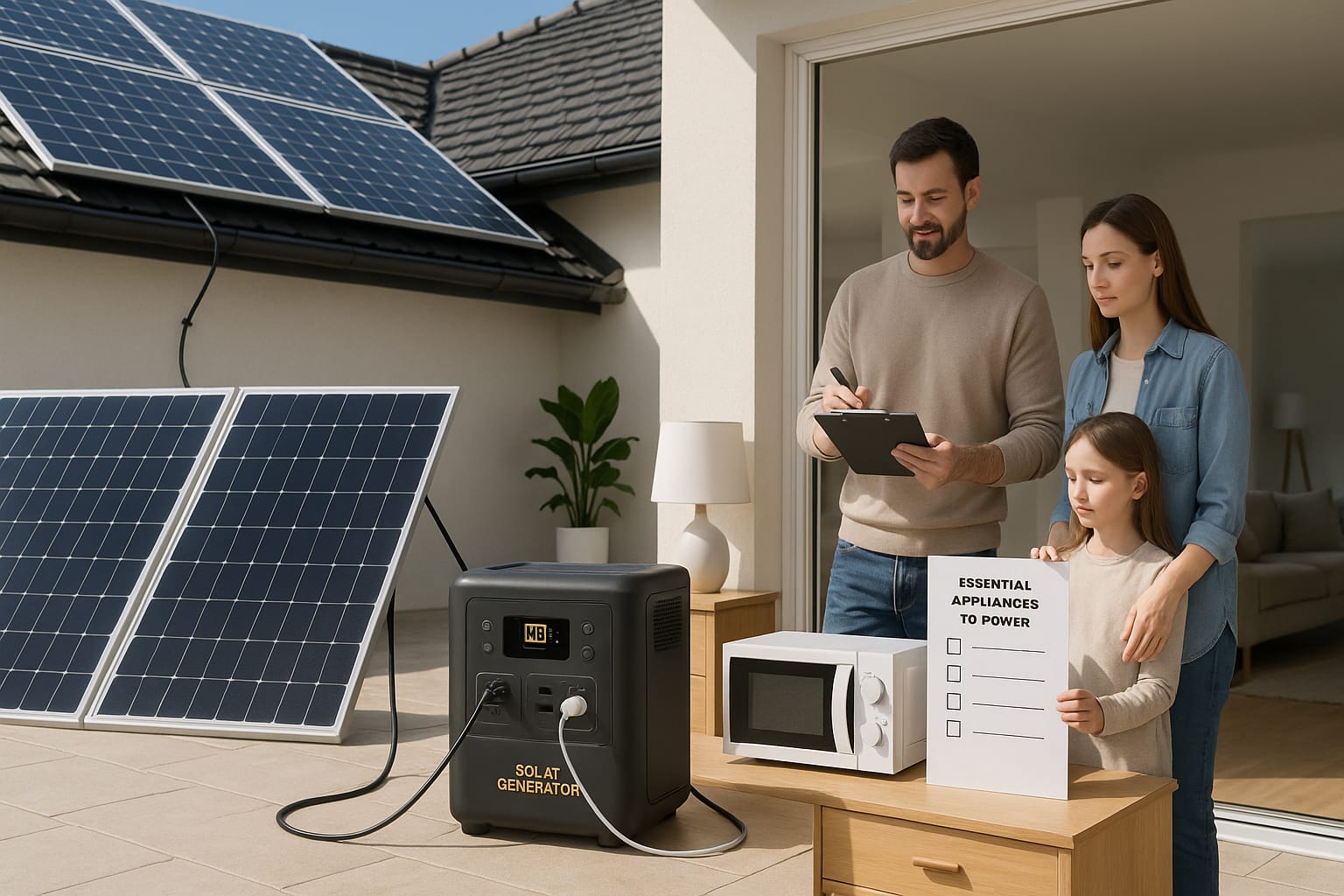
During an extended outage, prioritize powering appliances that maintain safety and comfort. These include refrigerators, freezers, lights, and medical devices. Ensuring these remain operational prevents food spoilage and supports health needs.
Estimating Power Needs for Critical Devices
Estimate the power needs of critical devices by checking their wattage. Create a list of essential appliances and calculate their combined power requirements. This helps in selecting a solar generator that can handle the load effectively.
| Appliance Category | Typical Role | Priority Level |
|---|---|---|
| Refrigerator/Freezer | Preserve food | High |
| Lighting | Safety and comfort | Medium |
| Medical Devices | Health support | High |
| Communication Devices | Stay connected | Medium |
Top Solar Generators for Extended Outages
Delta Pro 3 Solar Generator
The Delta Pro 3 stands out for its high capacity and robust inverter, making it suitable for running multiple appliances simultaneously. Its efficient solar charging and large battery ensure long-lasting power during outages. Read the full review.
Jackery Solar Generator 5000 Plus
Known for its portability and ease of use, the Jackery Solar Generator 5000 Plus is perfect for homeowners who need a reliable yet mobile power solution. It offers a good balance of capacity and portability. Read the full review.
BLUETTI Elite 100 V2
The BLUETTI Elite 100 V2 is a versatile option with a strong emphasis on usability and efficiency. Its user-friendly interface and powerful output make it a top choice for extended outages. Read the full review.
Safety and Maintenance Tips
Safe Operation Practices
Ensure your top solar generators is used in a dry, ventilated area to prevent overheating and moisture damage. Regularly check connections and cables for wear and tear to maintain safe operation.
Regular Maintenance and Storage Tips
Keep your top solar generators charged and stored in a cool, dry place when not in use. Periodically cycle the battery to maintain its health and longevity. Proper storage and maintenance ensure readiness during outages.
Practical Planning for Power Outages
Creating a Backup Power Plan
Develop a backup power plan that outlines which appliances to power and for how long. This plan should include a list of essential devices and their power requirements to ensure your solar generator can meet your needs.
Testing and Drills for Readiness
Conduct regular tests and drills to ensure your backup power system is ready for an actual outage. This practice helps identify any potential issues and ensures you are prepared to manage an extended power loss effectively.
It also helps to cross-check your household plan against the Red Cross power outage preparedness advice so your backup strategy sits inside a broader emergency plan.
Frequently Asked Questions
Can solar generators be used during cloudy days?+
Yes, top solar generators can be used during cloudy days, but their efficiency may be reduced. It’s important to have a fully charged battery before an outage to ensure continued power supply.
Do solar generators require professional installation?+
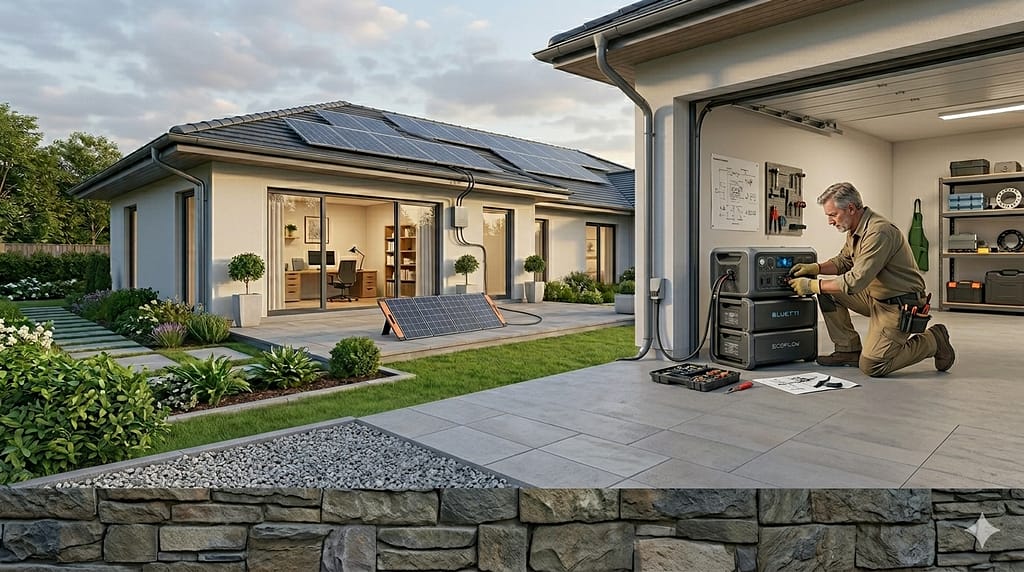
Most top solar generators are designed for easy setup and do not require professional installation. However, it’s important to follow the manufacturer’s instructions for safe and effective use.
How do I choose the right solar panel size for my generator?+
Choose a solar panel size that matches your generator’s input capacity and your typical energy usage. Larger panels can recharge the battery faster, especially during extended outages.
What is the lifespan of a solar generator?+
The lifespan of a solar generator depends on the battery type and usage. Typically, lithium-ion batteries last between 5 to 15 years with proper maintenance and care.
Can I expand the capacity of my solar generator?+
Some solar generators allow for capacity expansion by connecting additional batteries or solar panels. Check the manufacturer’s specifications to see if your model supports this feature.
Are solar generators noisy during operation?+
Solar generators are generally quiet during operation, making them suitable for indoor use and noise-sensitive environments.
Independent Analysis: Backup Solutions
Further Resources
Independent research and technical documentation for home energy resilience.
Core Guides
Product Reviews
External Data
Transparency: Backup Energy Guide participates in the Amazon affiliate programs and may earn commissions from qualifying purchases. This supports independent research, platform maintenance, and ongoing comparison updates. Affiliate partnerships do not influence rankings, product selection, or editorial conclusions. All evaluations are structured around consistent performance criteria, documented specifications, and long-term ownership considerations rather than commercial incentives or brand relationships.