How to Maintain Your Home Backup Power System
Discover effective maintenance strategies for your home backup power system to ensure reliable performance during outages.
What matters most
For most households, home backup power is less about running everything and more about protecting food, communication, lighting, and the appliances that matter most first.
Understand Risk
Identify critical systems.
Choose Backup
Scale for your load.
Avoid Mistakes
Analysis of failed plans.
How to Effectively Maintain Your Home Backup Power System
For most households, home backup power is less about running everything and more about protecting food, communication, lighting, and the appliances that matter most first.
Home Backup Power is usually strongest when you start by deciding which loads are essential, which ones can wait, and how long you realistically need backup support.
Maintaining your home backup power system is crucial for ensuring its reliability during power outages. Regular upkeep not only extends the lifespan of your equipment but also guarantees that it performs efficiently when you need it most. This guide provides practical advice on maintaining your system, from routine checks to appliance prioritisation.
Key Takeaways for Home Backup Power Maintenance
- Understand the difference between essential-circuit and whole-home backup systems.
- Regularly check battery health and inverter connections.
- Prioritise critical appliances during an outage.
- Choose the right backup power products based on your needs.
- Ensure safe operation and emergency readiness.
Understanding Home Backup Power Systems
What is a Home Backup Power System?
A home backup power system provides electricity to your home during a power outage. These systems can range from small portable power stations to large home battery systems capable of powering an entire house. The choice depends on your specific needs and budget.
Essential-Circuit vs. Whole-Home Backup
An essential-circuit backup system powers only critical circuits, such as lights, refrigerators, and medical equipment. In contrast, a whole-home backup system can supply power to the entire house, ensuring all appliances and systems remain operational. Evaluating your household needs will help determine which type suits you best.
Routine Maintenance for Backup Power Systems
Battery Health and Management
Regularly check the battery status and charge levels of your backup power system. Most systems come with built-in indicators or companion apps that provide battery health information. Keeping batteries charged and testing them periodically ensures your system is ready for an outage.
Inverter and Connection Checks
Inspect the inverter and all connections for any signs of wear or damage. Loose connections or faulty inverters can lead to inefficiencies or failures during an outage. Regular maintenance checks can prevent these issues and ensure your system operates smoothly.
Planning for Appliance Prioritisation
Identifying Critical Appliances
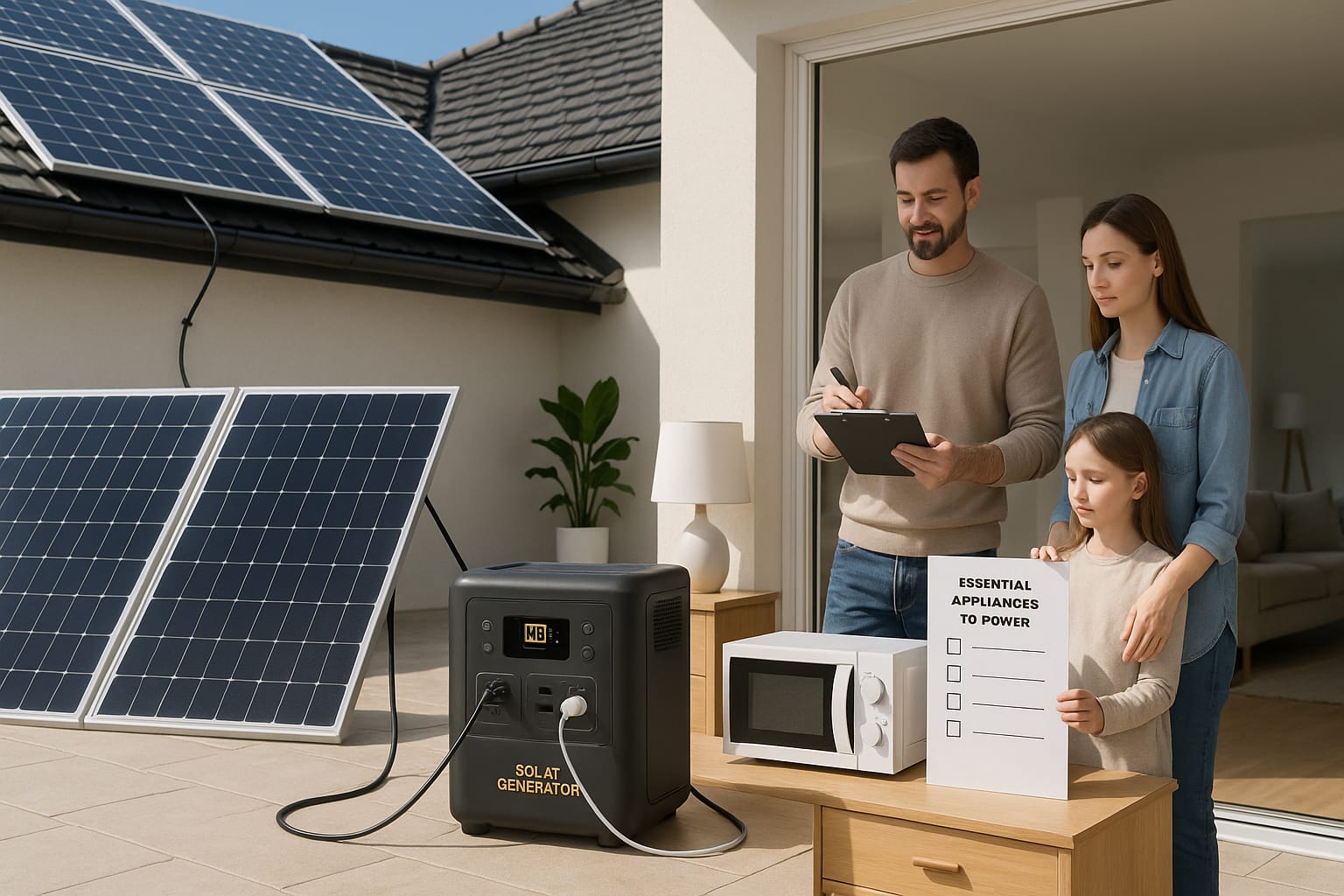
During a power outage, it is vital to prioritise appliances that meet essential needs. Critical appliances typically include refrigerators, medical devices, and lighting. Ensuring these are powered first can prevent food spoilage and maintain safety.
Balancing Load and Capacity
Understanding your system’s capacity and balancing it with appliance demands is crucial. Overloading your system can lead to failures or reduced efficiency. Plan your appliance usage to stay within your system’s limits.
Appliance Power Planning During a Power Outage
Effective appliance power planning ensures that critical needs are met while maximising your backup system’s capacity. Here’s a simple table to guide your planning:
| Appliance Category | Typical Role | Priority Level |
|---|---|---|
| Critical Appliances | Refrigerators, Medical Devices | High |
| Important Appliances | Lighting, Communication Devices | Medium |
| Optional Appliances | TV, Entertainment Systems | Low |
Choosing the Right Backup Power Products
Evaluating Solar Generators and Portable Power Stations
When selecting a backup power product, consider the type of appliances you need to power and the duration of typical outages. Solar generators and portable power stations offer flexibility and can be ideal for short-term needs or smaller loads.
Selecting Home Battery Systems
For larger loads or longer outages, home battery systems may be more suitable. These systems can provide extensive backup power but require a more significant initial investment. Review options in our Home Battery Systems guide for detailed comparisons.
Safety and Emergency Preparedness
Safe Operation of Backup Systems
Always follow manufacturer guidelines for safe operation. Ensure that your backup power system is installed and maintained by a qualified professional to prevent hazards.
Emergency Readiness and Resources
Prepare for outages by having a plan in place. Resources like the Red Cross emergency preparedness guide offer valuable advice on staying safe and ready.
FAQ
How often should I maintain my home backup power system?+
Regular maintenance should be performed at least twice a year. This includes checking battery health, inverter connections, and ensuring the system is clean and free of debris.
What appliances should I prioritise during a power outage?+
Prioritise critical appliances such as refrigerators, medical devices, and essential lighting. These ensure food safety and personal well-being.
How do I choose between essential-circuit and whole-home backup?+
Consider your budget and power needs. Essential-circuit systems are less costly and suitable for critical appliances, while whole-home systems provide comprehensive coverage but at a higher cost.
Maintaining your home backup power system ensures you are prepared for unexpected outages. For more detailed reviews and product options, visit our Backup Power Blog and explore the best solutions for your needs.
Independent Analysis: Backup Solutions
Further Resources
Independent research and technical documentation for home energy resilience.
Core Guides
Product Reviews
External Data
Transparency: Backup Energy Guide participates in the Amazon affiliate programs and may earn commissions from qualifying purchases. This supports independent research, platform maintenance, and ongoing comparison updates. Affiliate partnerships do not influence rankings, product selection, or editorial conclusions. All evaluations are structured around consistent performance criteria, documented specifications, and long-term ownership considerations rather than commercial incentives or brand relationships.