Product Overview
EcoFlow DELTA Pro Ultra: Home Power Solution
EcoFlow DELTA Pro offers 7200W output, expandable to 90kWh, perfect for home backup and energy efficiency.
EcoFlow | Overview
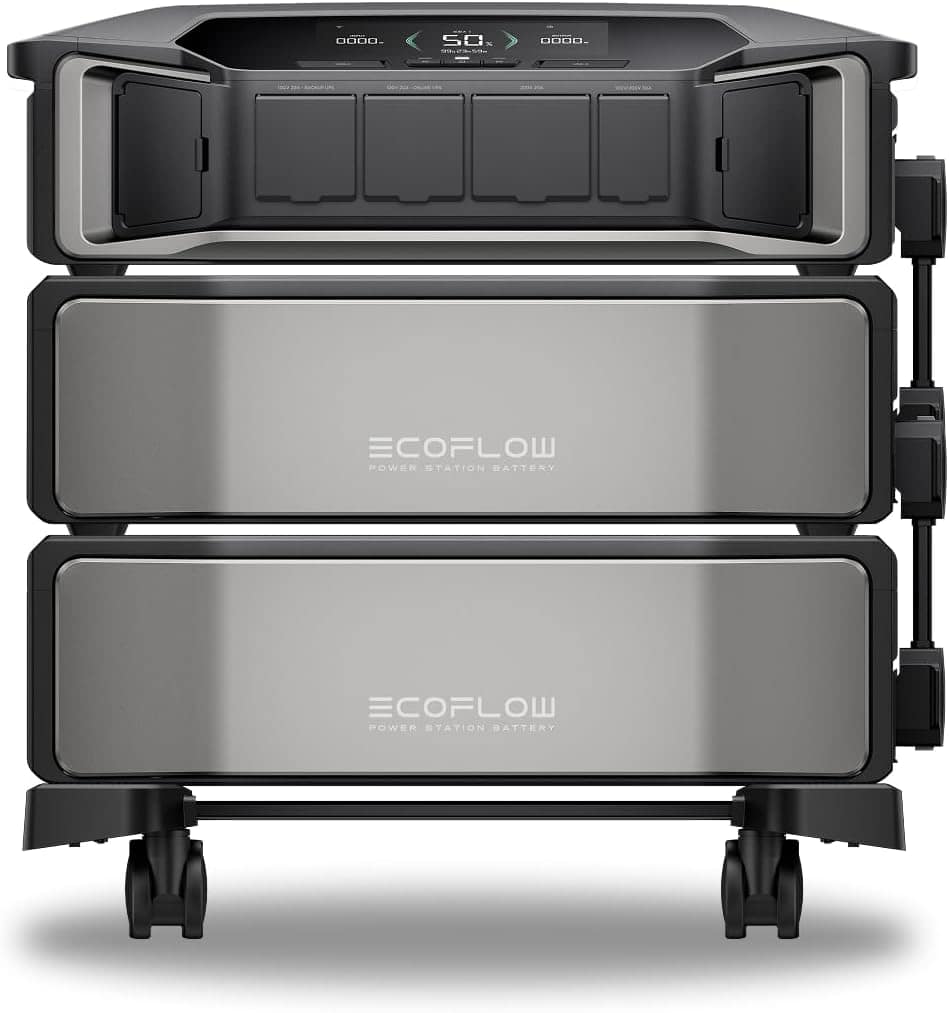
The EF ECOFLOW 12kWh Power Station offers a robust solution for those seeking a reliable home battery backup system. With its impressive 7200W AC output, this power station can handle a variety of household appliances, making it a versatile choice for home energy management.
Contents
Jump to the section you need — grouped by topic.
Capabilities and real-world power planning
Power output and what it really runs
The EF ECOFLOW 12kWh Power Station is designed to power a wide array of household devices, thanks to its dual voltage capability and maximum output of 7200 watts. This means you can comfortably run heavy appliances such as a 3-ton central air conditioner or multiple smaller devices simultaneously. The station includes six power outlets, allowing for flexibility in connecting different appliances. For instance, during a power outage, you could run a refrigerator, a few lights, and charge your mobile devices without compromising on performance. If you require more power, the system is expandable, enabling you to triple the inverters for a massive 21.6kW AC output. This scalability makes it suitable for both small and large households.- 7200 watts output supports heavy appliances.
- Expandable capacity for increased power needs.
- Dual voltage for versatility in device compatibility.
Runtime planning and battery longevity
Runtime is a critical factor when considering a home battery backup. The EF ECOFLOW system is scalable from a single battery of 6144Wh to an impressive 90kWh. This scalability allows for extended runtime, ensuring that essential devices remain operational during prolonged outages. Planning your runtime involves assessing your household's energy consumption. For example, with a 12kWh setup, you could potentially run a refrigerator, several lights, and a fan for over 24 hours. For longer durations, expanding the system would provide over 30 days of essential power for an average North American household. Investing in a scalable system like this not only provides peace of mind but also optimises battery longevity by allowing you to adjust your energy consumption based on your immediate needs.Best use cases for home backup
Running a fridge overnight
One of the most practical applications of the EF ECOFLOW Power Station is its ability to keep a refrigerator running overnight. In an emergency scenario where the power is out, maintaining the functionality of your fridge is crucial to prevent food spoilage. With its robust output, this power station can keep a standard refrigerator running for up to 24 hours on a single charge. This capability is essential for ensuring your perishable goods remain safe and your household experiences minimal disruption during power outages.Essential devices: lights, internet, medical gear
Beyond keeping your fridge operational, the EF ECOFLOW Power Station is adept at powering other essential home devices. This includes lights, internet routers, and critical medical equipment that require an uninterrupted power supply. For example, during an unexpected blackout, you could keep your internet running to stay connected with the outside world, ensuring you receive updates and can communicate with family members. Additionally, for those reliant on medical devices like CPAP machines, the ability to provide continuous power can be life-saving. By prioritising these essential devices, you can extend the overall runtime of your power station, ensuring that your household remains functional and secure.Solar charging: what’s realistic
Understanding solar input capacity
The EF ECOFLOW Power Station offers the advantage of solar charging, which can significantly extend its usability during prolonged outages. Understanding the solar input capacity is crucial to optimising this feature. The station can handle a substantial solar input, allowing you to harness renewable energy effectively. Realistically, the amount of power you can generate will depend on factors such as the number of solar panels, their efficiency, and the amount of sunlight available. On average, a set of high-efficiency panels can provide enough power to recharge the station within a day, given optimal conditions.Choosing compatible panels and sizing arrays
When selecting solar panels, compatibility with the EF ECOFLOW system is key. It's important to choose panels that match the input specifications of the power station to ensure efficient charging. Consider the wattage and voltage of both the panels and the power station. For example, using a combination of panels that collectively provide around 1000 watts would be optimal for recharging the station efficiently. This setup would be suitable for most residential scenarios, allowing you to maintain a sustainable energy backup system. For more insights into portable power stations and home battery systems, you can explore our detailed guides on Portable Power Stations and Best Home Battery Systems.Recharge options and outage strategy
Using mains electricity efficiently
Recharging the EF ECOFLOW 12kWh Power Station through mains electricity is straightforward and efficient. The system is designed to rapidly replenish its charge when connected to a standard household outlet. This ensures that the battery is ready for use in a minimal amount of time, which is crucial during unpredictable power outages. It is advisable to recharge the unit during off-peak hours when electricity rates are lower, thereby optimising cost efficiency. Regularly monitoring the charge level and maintaining a routine charging schedule can further enhance preparedness for sudden outages.Using a generator as a backup recharger
In scenarios where mains electricity is unavailable for extended periods, using a generator as a backup recharger can be a viable option. The EF ECOFLOW system is compatible with most portable generators, allowing for flexible recharging solutions. When selecting a generator, ensure it matches the power station’s input requirements to avoid overloading. This setup provides a continuous power supply, particularly useful in prolonged outages, and can serve as a supplementary source alongside solar charging to keep the system operational.Limitations and trade-offs to know
Weight, noise and where it fits best
The EF ECOFLOW 12kWh Power Station is a robust unit, which naturally comes with some trade-offs. Its weight might pose challenges in terms of mobility and installation, especially if frequent relocation is necessary. While the unit operates silently, the noise generated by connected generators during recharging can be a consideration for some users. Therefore, it is best suited for a dedicated space within the home where it can remain stationary and easily accessible for charging and maintenance.Output limits and common buyer mistakes
Despite its impressive capacity, the EF ECOFLOW Power Station has output limits that users should be aware of. Overestimating the unit’s ability to power multiple high-demand devices simultaneously can lead to overloads. Common mistakes include not accurately assessing household energy needs and failing to consider the cumulative power draw of connected devices. Buyers should conduct a thorough evaluation of their energy requirements and plan usage accordingly to maximise the system’s efficiency and prevent potential damage.Buying checklist before you commit
Setup, storage and safety checks
Before purchasing the EF ECOFLOW Power Station, consider the installation requirements and ensure you have adequate space for setup and storage. The unit should be placed in a dry, well-ventilated area away from direct sunlight and moisture. Regular safety checks, including inspecting connections and monitoring the battery’s health, are essential to maintain optimal performance. Familiarise yourself with the user manual for detailed guidelines on installation and safety protocols. Check for more backup home energy productsExpansion, accessories and warranty questions
Consider future expansion possibilities and the availability of compatible accessories when evaluating the EF ECOFLOW Power Station. The system’s expandable nature allows for additional batteries, but ensure these components are readily available and compatible. It’s also crucial to understand the warranty terms, including coverage duration and what it entails. This knowledge will provide peace of mind and protect your investment in case of defects or malfunctions.Recommended
EcoFlow DELTA Pro Ultra: Home Power Solution
EcoFlow DELTA Pro offers 7200W output, expandable to 90kWh, perfect for home backup and energy efficiency.
Tip: verify output (120V/240V), expansion options, and recharge limits before you commit.
FAQ
How long does it take to fully charge the EF ECOFLOW Power Station using mains electricity?
How long does it take to fully charge the EF ECOFLOW Power Station using mains electricity?
Recharging the EF ECOFLOW Power Station using mains electricity can typically take several hours, depending on the initial charge level. The system is designed for rapid charging, often reaching full capacity in less than a day under optimal conditions. To maximise efficiency, it is recommended to charge during off-peak hours, which can also help reduce electricity costs.
Can the EF ECOFLOW Power Station be charged while in use?
Can the EF ECOFLOW Power Station be charged while in use?
Yes, the EF ECOFLOW Power Station can be charged while simultaneously powering devices. This feature ensures continuous power supply without interruption, making it ideal for prolonged outages. However, it is important to monitor the power draw to ensure it does not exceed the unit’s charging capabilities, which could lead to slower recharge times.
What maintenance is required for optimal performance of the EF ECOFLOW Power Station?
What maintenance is required for optimal performance of the EF ECOFLOW Power Station?
Regular maintenance is essential to ensure the longevity and performance of the EF ECOFLOW Power Station. This includes routine checks of all connections, ensuring the battery is kept at optimal charge levels, and periodic inspections for any signs of wear or damage. Keeping the unit clean and stored in a suitable environment also contributes to its overall efficiency and lifespan.
Is the EF ECOFLOW Power Station suitable for outdoor use?
Is the EF ECOFLOW Power Station suitable for outdoor use?
While the EF ECOFLOW Power Station is primarily designed for indoor use, it can be used outdoors under controlled conditions. It should be protected from direct exposure to water and extreme weather. If used outdoors, ensure it is placed on a stable, dry surface and shielded from direct sunlight and rain to prevent damage.
How does the EF ECOFLOW Power Station handle extreme temperatures?
How does the EF ECOFLOW Power Station handle extreme temperatures?
The EF ECOFLOW Power Station is built to withstand a range of temperatures but operates most efficiently within standard room temperature conditions. Extreme cold or heat can affect battery performance and longevity. It is advisable to store and use the unit within the recommended temperature range specified in the user manual to maintain optimal functionality.
What should I consider when selecting solar panels for the EF ECOFLOW Power Station?
What should I consider when selecting solar panels for the EF ECOFLOW Power Station?
When selecting solar panels for the EF ECOFLOW Power Station, compatibility is key. Ensure that the panels meet the power station’s input specifications in terms of voltage and wattage. High-efficiency panels are recommended to maximise energy capture, and the number of panels should be sufficient to meet your energy needs. Proper installation and positioning to capture maximum sunlight will enhance the system’s overall performance.
Transparency: Disclosure: This page may contain affiliate links. Content is informational and does not replace professional advice.